Your child’s story can become a real book in a single afternoon. Start by listening, sort the story into scenes, and then turn those scenes into illustrated pages. A rainy day gives you the time and the focus to finish the whole thing.
Why Is a Rainy Day the Right Time for a Story Project?
The rain allows for the removal of typical distractions that occur in children’s lives. On rainy days, children are less likely to rush through stories like they do on busy days; instead they become absorbed by the story because there is nothing else to do. The slow nature of rainy days provides ample opportunity for children to allow their thoughts to develop fully as complete plot lines with character development, problem resolution and conclusions.
It also gives you uninterrupted time together. You get to hear how your child thinks, what excites them, and what makes them laugh.
How Do You Get the Story Out of Your Child’s Head?
Start with questions instead of instructions. Children tell richer stories when they feel in charge of them. Ask about:
- The main character
- Where the story takes place
- The biggest problem
- How it ends
Write down their words exactly as they say them. The odd phrasing and unexpected twists are what make the story theirs.
How Do You Turn a Spoken Story Into a Book?
Break the story into scenes, with one moment per page. Most children’s stories fit comfortably into eight to twelve scenes. Ask your child what happens first, what changes in the middle, and how the problem gets solved.
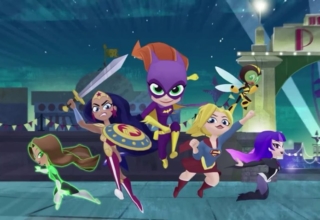
Once the scenes are set, assign each one a page. Keep the text short, because pictures can carry much of the action. A personalized comic book suits this format well, since its panels turn each scene into a picture with a few lines of dialogue.
What Your Child Can Do to Bring It to Life
Give your child real choices about their creative roles. Each role develops a different skill and motivates them to help create the final book. Ideal roles can be as simple as:
- Illustrating each scene
- Designing the characters
- Choosing the title
- Writing the opening line
Always allow your child to decide what will happen within their story (even though you may disagree). If your child wants the dragon to have polka dots and be purple, then so be it.
Keeping the Afternoon Running Smoothly
Preparation prevents interruptions. Gather everything before your child starts, so no one has to leave the table mid-idea. Set out:
- Plain paper or a blank booklet
- Pencils and erasers
- Markers or crayons
- A folder for finished pages
Plan short breaks along the way. A snack and a stretch let young minds reset without losing the thread. Keep the pace relaxed, because the goal is a finished story, not a perfect one.
What to Do When Your Child Gets Stuck
Every storyteller hits a wall. A stuck child rarely needs the answer. They need a nudge.
Try a simple what-if question, such as what would happen if the hero lost their map. You can also ask what the villain wants most. Questions like these keep the story in your child’s hands.
Also reading the last part of the story out loud may help. Sometimes hearing their own words can spark new ideas again.
If the energy is gone, stop and continue later. A story left overnight often solves its own problems.
Adapting the Project to Your Child’s Age
The project works for most ages with small changes. Younger children do best when they tell the story aloud, and you handle the writing. Keep their scenes few so the project stays within their attention span.
School-age children can write their own captions and speech bubbles. Let them plan the page order themselves.
Older children may want to add plot twists or a cliffhanger. Treat them as co-authors, and offer feedback only when they ask for it.
How Siblings or Friends Can Join the Project
Creating a joint project gives each child an opportunity to play a part. Some will create the hero, others will create the villain while other children will develop the location. Before you begin creating this collaborative project, establish one ground rule: all ideas that are submitted get incorporated into your project; no one’s contributions will ever be removed.
Each child should illustrate the scene(s) they created. When finished, you’ll have a book in which multiple voices were heard, and therefore, each child will be able to take pride in their work.
Why a Printed Book Makes the Story Last
Paper drawings fade into drawers. A finished, professional-looking keepsake lets your child see their characters and plot in print, which proves their ideas are worth turning into something real.
That sense of accomplishment tends to last. Children who see their stories published often want to write the next chapter.
Make the Finished Book Part of the Routine
A finished book deserves an audience. Read it aloud at bedtime, share it with grandparents, or place it on the family bookshelf beside the other favorites. Each reading tells your child that their imagination matters.
A Rainy Day Can Start a Lifelong Habit of Storytelling
A gray afternoon can produce something far more lasting than a game or a movie. When you give a child’s story a beginning, middle, and end, you teach them that their ideas can become something others can read. The next time the rain starts, they may already be asking to make another book.
Did you like this post, and did you get all of the info you needed? Check out the rest of our blog for fun and creative family projects, cool storytelling tips, and easy ways to help develop your child’s creativity.
Last Updated: October 8, 2026