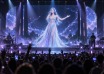
A singer performs onstage and shares the spotlight with a band. The crowd can see the artist, yet nobody is standing in that spot. That is the appeal of hologram concerts: a digital illusion can make an absent performer seem close enough to touch.
Tupac’s 2012 Coachella appearance is a famous example. ABBA Voyage takes another approach, bringing digital avatars together with a live band. Both use visual effects to create a presence onstage, but their display technologies are different.
The term “hologram” is commonly misused in the context of entertainment. While some productions reflect images using transparent foil, others use screens and precisely choreographed lighting. The distinction helps explain what each system can do, and where it falls short.
Evolution of Concerts
Concerts are unique experiences where individuals come together to enjoy music, dance and theater. Whether the concert hall is intimate (a small room) or massive (an open-air festival), the key aspect is that attendees share the experience with others.
Over the years, technology has altered how the experience is produced. Larger audio systems, more elaborate lighting and larger video screens provided new options for performing. Digital artists represent just one additional component in this evolution of how concerts are produced – not a replacement for prior concert formats.
Traditional Live Performances
Music, ritualistic practices and storytelling have attracted crowds throughout history. Ancient Greek theaters, such as Epidaurus, demonstrate that arranging space for a performance is far from a new concept.
It would be inaccurate to describe the progression of concert venues as a linear process. Public concerts, religious music, theatrical performances and touring companies evolved separately over time. Each shared the common thread of a performance artist presenting to a collective audience.
Early Stages of Modern Live Entertainment
The 20th century witnessed significant advancements in electrically amplified sound and improved stage equipment which enabled performers to reach broader audiences. Lighting also emerged as an integral element in storytelling, while pre-recorded materials and video allowed producers to weave pre-recorded elements into their overall production.
For a digital concert, all of that work supports the illusion. Sound, staging and timing have to make the image belong in the room. Otherwise, it can look like a video dropped into the middle of a show.
Live Streaming Concerts
Live streams give fans a way to join a concert when they cannot attend. They send a performance out to viewers, whereas a stage illusion brings a digital performer into a venue. Both can overcome a problem of distance.
In 2023, YouTube announced six Coachella livestream feeds during both weekends of Coachella, providing spectators viewing the performances remotely with more opportunities to select and view from various stages within the festival. Viewers could pick a stage feed without crossing the festival grounds.
What is a Hologram?
Optical holography records or encodes a light wavefront so it can be reconstructed. A holographic image can show depth and changes in perspective as the viewer moves. A flat image made to look like a performer onstage works differently.
Many so-called hologram concerts rely on a variation of Pepper’s Ghost, an optical illusion using reflection. Musion describes its stage system as a contemporary interpretation of this Victorian-era theatrical technique that utilizes special transparent foil.
For Tupac’s Coachella performance, Digital Domain created a computer-generated likeness that was projected onto the stage. The illusion created appeared as though Tupac was performing live on-stage; however, Tupac was actually a digital recreation.
ABBA Voyage presents digital avatars alongside a live band. Screens and carefully matched lighting create the sense of a shared stage. Its display method differs from the foil-reflection illusion used for Tupac.
Visual display technology related to holographic technology can also create animated product demonstrations for trade show exhibits. Product models may appear to hover; however, in reality the viewer is still observing a display rather than an actual product prototype.
Factors to Consider Before Implementing Hologram Technology
A convincing digital performer requires more than merely a quality animation. The display system utilized by the venue and the configuration of playback hardware all impact how the audience observes the digital performer.
Internet Connection
A high-speed internet connection is really important before implementing hologram technology because the holographic video requires handling large datasets, maintaining ultra‑low latency, and ensuring synchronization for real-time interaction. Since holographic communication demands extremely fast and stable connectivity, users simply need a high‑speed internet connection and platforms like LocalCableDeals can help them explore what’s currently available.
Venue and Lighting
A technical site survey should check power, rigging, access and the space available for the display. A foil-reflection stage illusion and a self-contained cabinet need different installations.
Check stage depth, height and audience sightlines before selling tickets. An effect that looks convincing from the centre may reveal its workings from an awkward side angle.
Contrast matters for projection and reflection effects. Stray light can expose a surface or wash out an image. The lighting crew must illuminate the physical performers while protecting the digital illusion.
Content Calibration and Alignment
The digital image has to fit the stage. A singer who looks too large, floats above the floor or moves out of time with the band can break the illusion.
Calibration includes focus, colour, position and playback timing. Test the complete show from audience viewpoints during rehearsal, with the lighting and sound cues running together.
Advantages of Holograms as Part of Live Events
While digital performers provide valuable creative alternatives, their ultimate benefit is contingent upon the successful execution of the complete show surrounding them. Novelty alone does not ensure an enjoyable evening.
Unmatched Audience Engagement
Viewers may be captivated by witnessing a familiar performer perform in unfamiliar circumstances. Additionally, viewers may feel a sense of surprise/excitement as they attempt to understand what they are observing.
However, neither feature inherently ensures that a digital performance will be more captivating than a live concert experience. Music selection, pacing of songs and ambiance in the room continue to influence the overall enjoyment experienced by attendees. A believable image requires a performance worthy of observation.
Creating New Experiences
Digital productions involving Whitney Houston, Michael Jackson and Tupac have drawn attention to shows built around artists who have died. Audiences see a constructed representation of the artist, rather than that person performing live.
Permission and creative choices matter. Producers need to address rights to the music and likeness, and explain what has been recreated. ABBA Voyage is a different case because the band helped develop its digital versions.
Cost-Effective and Sustainable
Reusable digital content may decrease repeated production efforts involved in presenting certain elements repeatedly. Additionally, remote appearances may eliminate travel for performers. These represent possible cost-savings as opposed to certainties.
Animation, equipment, specialist staff and venue operation all cost money. Displays consume energy too. Claims of lower costs or emissions need a comparison with the production being replaced, including the effect of audience travel.
The Future of Hologram Technology
Holobox display cases may be rented for individual events while smaller spinning LED displays serve numerous purposes. Such differing technologies produce disparate visual results; therefore, they are not interchangeable components in concert productions.
Live telepresence lets a remote speaker answer questions from a venue. Prerecorded material can support museum displays, product launches and personal messages. The audience should be able to tell which kind of presentation it is watching.
The useful question is what the technology adds to the event. It might solve a practical problem or make a new kind of performance possible.
Final Thoughts
Holographic concerts have transformed what can be seen on a stage; however, they have not eliminated any work necessary for presenting a concert performance. The physical artists/performers and audience are ultimately central to concert experiences.
A speaker in Paris can talk to a room in New York through a live feed. A digital artist can appear through prepared content. These are different possibilities with different technical needs.
A successful production gives the effect a clear purpose. When image, sound and staging work together, the technology helps create an evening people want to share.
Last Updated: October 6, 2026