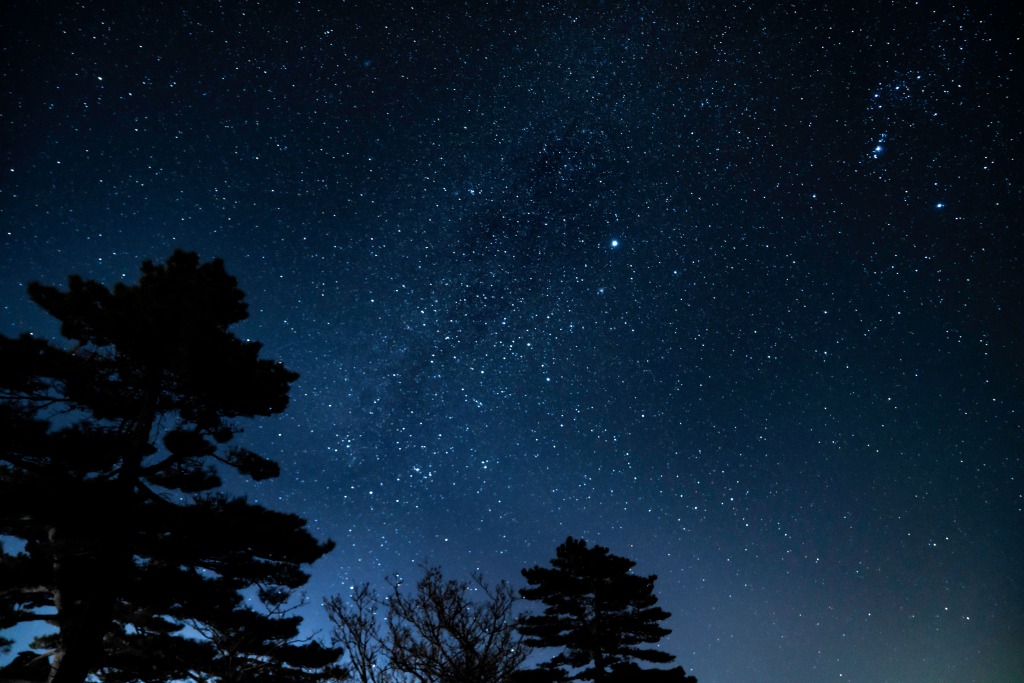
If you’re an amateur astronomer, you know how enchanting the nighttime sky can be. When you head out on a stargazing trip, stars and planets create stunning speckled patterns in the sky. But you want to be sure you have the right gear with you to make the most of your trip.
You might see weather systems roll through or have limited light. And, of course, you’ll want to be safe when you’re taking a closer look in remote locations. Read on as we outline six essential pieces of gear for dark-sky stargazing trips.
1. A Good Pair of Binoculars
Yes, telescopes allow you to see very distant stars with high levels of magnification. But when you’re an amateur astronomer, you don’t need more than a good pair of binoculars for meaningful stargazing.
With the right binoculars, you can see stars, clusters, and bright nebulae that wouldn’t otherwise be visible. You’ll also be able to see the textures of the Moon’s surface. Best of all, binoculars are far more portable than most telescopes.
Aim to find a pair that offers around 10x magnification power and a 50 mm objective lens diameter. With the larger lens size, you’ll get more light and crisper images. As an amateur astronomer, binoculars with these specifications can enable comfortable viewing.
2. A Red-Light Flashlight
When you reach for a standard flashlight to examine a dark-sky site, the intense white light can be too much. Even a flash of white light can trigger a vision change. And you may be stuck waiting another 20 minutes for your eyes to readjust.
You can avoid this common issue with a red-light flashlight. Long red wavelengths won’t impact your eyes, meaning you’ll have better night vision. Distant, faint stars will be easier to see quickly when you don’t disrupt your vision with bright white light.
Look for a flashlight that offers changeable brightness, too. That way, you can access more light when you’re reading information or trying to locate equipment. You’ll still be able to maintain low light, though, so you won’t disturb those around you if you’re camping.
3. Smartphone Apps and Star Charts
When you’re in a dark, remote location, it’s not always easy to get your bearings. After all, the darker the location, the more stars will spread out in the nighttime sky.
You can use astronomy apps to pinpoint what you’re seeing by aiming your phone at the sky. Or you can turn to traditional paper guides. Star charts can help you find out what constellation or planet sits in your line of vision.
Ideally, a blend of both tech-based guides and traditional paper ones can provide reliable insights. You’ll gain more from the experience when you’re able to discover details about the vast expanse of stars before you.
4. A Reliable Storage System
Carrying a lot of gear requires reliable, secure storage solutions. After all, you’ll be packing binoculars, cameras, flashlights, and other gear. While these items might not be too heavy, you don’t want to lose track of them when it’s dark outside.
You also don’t want changeable weather to compromise their functionality. Moisture from rain can harm electronics. That’s why waterproof, rugged storage matters during stargazing trips.
Feeling comfortable when you’re exploring the night sky matters, too, and you’ll want a good backpack. Choose one with plenty of compartments and clips to keep your items safe.
5. A High-Capacity Power Bank
Apps, phones, and cameras are among the key electronic devices that can chew up battery power quickly when you’re stargazing. And when you’re in a quiet, unpopulated area, you won’t necessarily have electric outlets nearby for convenient charging.
Invest in a high-capacity portable power bank. That way, you’ll always have power for your devices and gadgets. The strongest chargers can power up several items before needing to be charged, as well.
As a general rule, it’s smart to charge all devices before heading on a trip. Make sure to include a power bank on your packing list, too. You don’t want a dying battery to derail a night of intense stargazing.
6. Layered Clothing and Weather Gear
Even if your weather app doesn’t indicate rain before leaving for a stargazing trip, the forecast could suddenly change. You might experience moisture or brisk temperatures that you weren’t expecting.
Pack layers of clothing so you can dress accordingly. Choose base layers that repel moisture, so you stay comfortable in all weather conditions.
If you’re camping overnight to catch the best dark-sky conditions, shelter is just as important as warm clothing. Choosing reliable camping gear, such as the Nakie outdoors accessories collection, can help you prepare for changing weather, insects, and overnight conditions with essentials designed for outdoor comfort. Pairing the right shelter, weather protection, and campsite accessories helps keep both you and your equipment protected, allowing you to stay focused on long observation sessions instead of unexpected conditions.
A pair of gloves, wool socks, and a good hat can offer extra protection against colder temperatures once the sun goes down.
In the same vein, pack protective covers and cases for all equipment. You don’t want dewy grass or misty skies to damage any electronics.
Prepare for a Stargazing Trip
Heading out on a dark-sky stargazing excursion can be an exciting way to bond with the vast nighttime skies. Just be sure you’re packing carefully and checking weather forecasts before leaving home. Bring sturdy storage equipment for your gear, pack a power bank, and fully charge all devices.
Invest in a good pair of binoculars and a red-light flashlight, as well. When you’re diligent about preparations, you can focus on exploring stars, constellations, and other amazing parts of the universe.
Last Updated: July 8, 2026