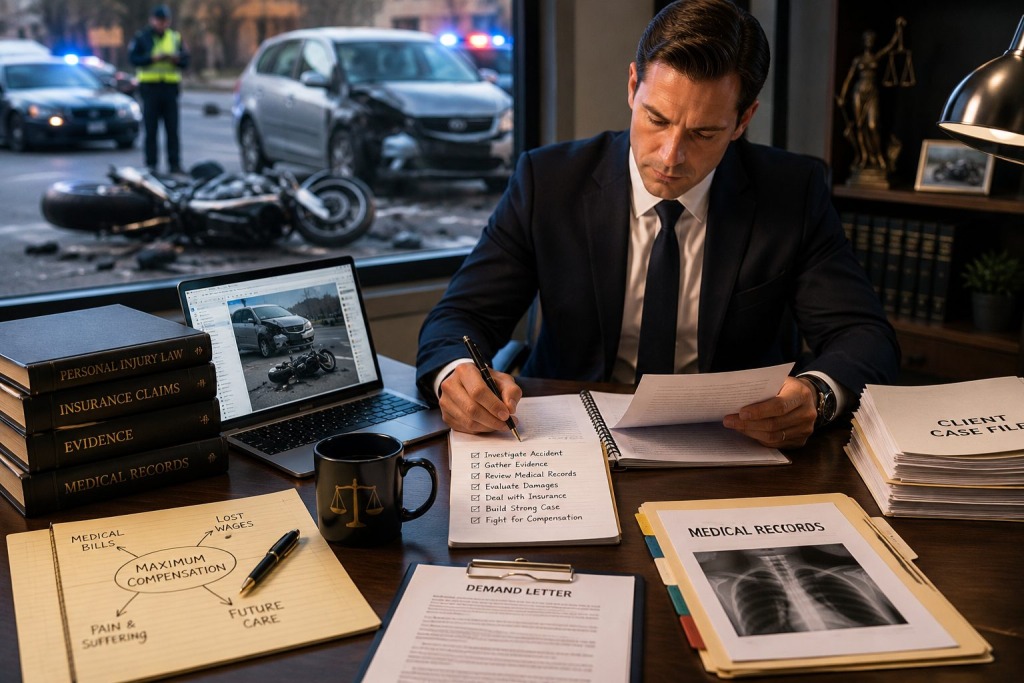
North Carolina’s scenic highways, busy interstates, and growing city streets make motorcycle travel a regular part of life, but riders remain highly vulnerable when another driver, unsafe road condition, or mechanical issue causes a serious crash. After impact, the challenges can reach far beyond the scene, affecting medical care, income, transportation, and a rider’s sense of independence. Legal help matters because injured motorcyclists often face quick assumptions about fault while still trying to understand the full extent of their injuries.
A strong claim needs careful attention to the rider’s experience, the local roadway context, and the long-term effects of the collision. A CR Legal Team motorcycle accident attorney can help protect the rider’s rights while organizing the facts and pursuing fair compensation. With steady guidance, injured riders can focus on healing while their legal team handles the pressure, paperwork, and difficult questions that follow.
First Response
In the first days after impact, critical proof can disappear through weather, repairs, or simple neglect. Tire marks fade, helmets get moved, and witness recall becomes less precise. A motorcycle accident attorney can examine reports, scene images, emergency records, and roadway conditions before an insurer fixes blame too early. That prompt review helps connect trauma patterns with vehicle damage and the conduct that led to the collision.
Case Review
A strong claim begins with a careful timeline. Treatment dates, hospital findings, lane position, weather, traffic flow, and motorcycle damage all shape the legal picture. One small fact can shift fault or change value. Counsel also looks beyond the other driver, because a shop, parts supplier, employer, or public agency may share responsibility for what happened on the road.
Evidence Collection
Reliable claims stand on documented proof from several places. Attorneys may seek surveillance video, dispatch audio, body camera footage, phone data, and event recorder information. Damaged parts also deserve close inspection before repairs erase impact clues. When loose gravel, poor drainage, or broken pavement plays a role, maintenance files and site photographs can become central support for the case.
Finding Fault
Fault rarely rests on a single careless moment. A driver may have turned left across traffic, changed lanes without checking blind spots, or followed too closely in heavy conditions. Mechanical failure can matter as well. Counsel compares witness accounts with physical marks, vehicle damage, and timing evidence to explain how the crash unfolded and why another party bears legal responsibility.
Medical Proof
Severe motorcycle injuries often involve open fractures, spinal cord damage, traumatic brain injury, skin grafting, or deep soft tissue disruption. Lawyers work to tie each diagnosis to the collision through records, imaging, and physician opinion. This connection is important, as carriers frequently challenge delayed symptoms, future care, or permanent limits. A well-built file explains recovery, pain patterns, daily restrictions, and likely treatment needs.
Calculating Losses
A fair demand requires more than unpaid bills. Attorneys calculate hospital charges, future procedures, therapy costs, wage loss, reduced earning ability, and property damage. They also document pain, sleep disruption, scarring, reduced grip strength, and impaired movement. When injuries alter household roles, parenting duties, or basic routines, those changes need concrete support, not broad language that says very little.
Dealing With Insurers
Insurance carriers often contact injured riders soon after a major wreck. Recorded statements, wide medical releases, and quick offers can limit a claim before the rider understands the full physical effect. Legal counsel manages that contact and helps prevent harmful admissions. This buffer gives the injured person room to focus on surgery, therapy, follow-up care, and steady recovery rather than constant claim pressure.
North Carolina Issues
Local Rules
North Carolina cases demand close attention to fault. Helmet use, license status, speed estimates, lane position, visibility, and roadway condition may all affect how a claim is evaluated. Local procedure also matters. A lawyer familiar with motorcycle injury litigation in the state can assess risk, preserve deadlines, and address factual disputes before they weaken settlement value or limit court options.
Preparing For Trial
Many cases resolve without a verdict, yet serious preparation often improves results. Attorneys organize exhibits, prepare witness questions, consult treating doctors or experts, and shape a damages presentation a jury can follow. Trial readiness sends a clear message when offers remain too low. If negotiations stall, that groundwork allows the case to move ahead without rushed choices or missing proof.
Conclusion
After a serious motorcycle crash, legal help involves far more than paperwork or phone calls. An attorney preserves evidence, addresses insurers, measures losses, and prepares the case for settlement or trial. Each step protects the injured rider from weak blame arguments and avoidable financial strain. When trauma is severe, early, disciplined legal work can affect whether the final recovery reflects the true cost of medical care, disability, and daily loss.
Last Updated: July 17, 2026