Gaming culture already revolves around probabilities, and predicting outcomes. Event contracts push that logic into the real world by turning predictions into tradeable positions. As these markets grow, they raise an interesting question for the industry: could prediction trading become part of the wider gaming ecosystem?
Spend time around modern gaming culture and one pattern becomes clear: Players already think in probabilities. Esports fans track match odds, competitive players study patch notes and communities follow the value of digital items the way traders follow markets. Event contracts build on that instinct. Each contract represents a specific outcome tied to a real event. The contract settles once the result is known. Until then, the price reflects the market’s expectation of the probability.
Gaming Has Always Been Built Around Probability
Games have always run on probability. Open a loot crate in a multiplayer shooter and you are dealing with a drop rate. Matchmaking systems calculate your chances against other players. Even competitive games revolve around reading odds and anticipating outcomes.
Digital communities stretch those systems much further. Players build stories, economies, and entire creative spaces around the games they love. Minecraft fans writing stories and building worlds outside the game itself are a good example of how gaming culture spills beyond the screen.
Markets already appear inside gaming ecosystems as well. Counter-Strike skins provide a clear example. In 2024 that marketplace carried an estimated value of around $6 billion, with players trading digital items that behave much like assets inside a real market.
Anyone watching that environment can see the resemblance to financial systems. Prices move quickly and players react just as fast. Event contracts operate on a similar idea. The difference is simple. The asset is no longer a weapon skin or cosmetic item. The asset is an outcome.
Prediction Markets Turn Outcomes Into Tradable Assets
Event contracts come from the world of prediction markets. Each contract represents a specific outcome tied to a real event. It settles at $1 if the event happens and $0 if it does not.
Before the result is known, the contract trades somewhere between those values. A price of $0.65 signals roughly a 65 percent market expectation.
This creates a real-time probability market where prices move as new information appears. Thousands of participants already trade contracts tied to politics, economic indicators, and public events.
Audiences used to analysing match statistics and results will see a familiar pattern in that structure.
The Technology Behind Event Contracts
The technology that supports these markets looks a lot like the infrastructure behind modern online games. Continuous connectivity keeps the system running. Prices update in real time. Users interact through apps and web platforms.
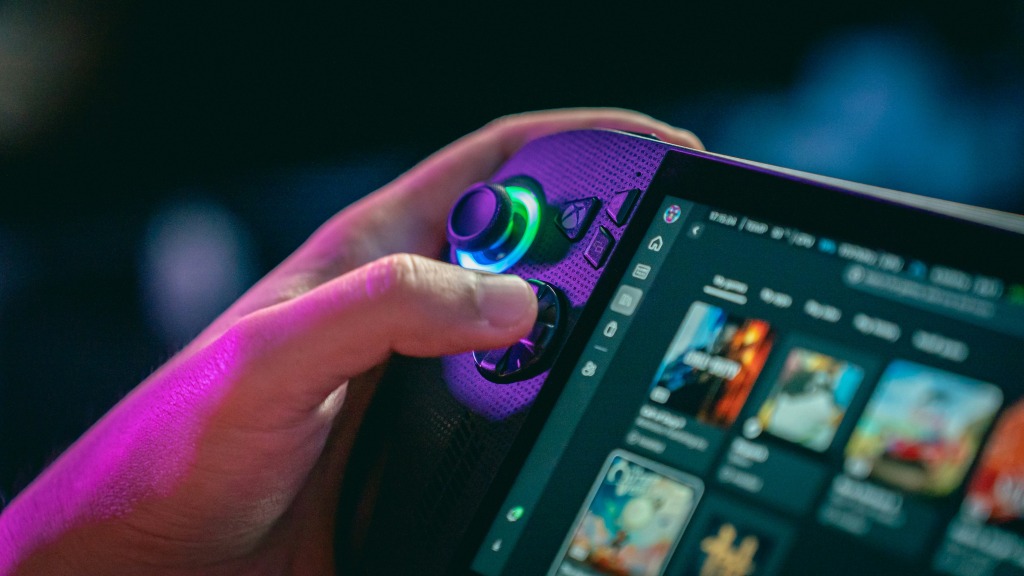
Constant access to data makes this possible. A single smartphone now streams video, runs cloud services, and keeps multiple apps connected at once. Those background connections consume far more data than many people expect.
That same environment supports prediction markets. Traders watch events unfold and adjust positions instantly. A new statistic, injury report, or economic announcement can change prices within seconds. You already watch match stats during tournaments. You already follow patch notes and leaderboards. Event contracts simply place a price next to those expectations.
The technical backbone is the same digital ecosystem that powers streaming platforms, competitive games, and live services.
Regulation and Compliance Are Still Evolving
Event contracts sit in an unusual regulatory position. They can resemble gambling, yet many legal frameworks treat them as financial derivatives.
In the United States, oversight often falls under the Commodity Futures Trading Commission. That places prediction markets closer to financial exchanges than traditional betting platforms.
Operators may need to monitor trading activity and report transactions to maintain market integrity. Regulators continue to debate how these contracts fit within existing law.
Even small contracts can scale quite fast when thousands of users participate. That scale explains why regulators are paying attention.
Where Readers Compare Platforms and Offers
People exploring prediction markets usually want clear information before opening an account. They want to know how trading works, what incentives exist for new users, and how different services structure their platforms.
Casino.org publishes detailed guides covering online gaming platforms and prediction markets. A review of the crypto.com platform explains how the service operates, outlines the bonus structure offered to new users, and walks through the trading features available on the platform.
Material like this helps readers understand what they are signing up for before committing money. Instead of guessing how event contracts operate on a real service, you can see how accounts function, how incentives are structured, and how trading actually works in practice.
Event Contracts and the Future of Gaming Culture
Gaming culture already blends competition, statistics, and speculation. Fans debate tournament outcomes, track patch changes, and watch digital economies the way traders watch markets. Event contracts formalise that instinct. Instead of guessing results, users can trade on them. For an industry built around numbers, systems, and performance, prediction markets feel less like a disruption and more like a natural extension of gaming culture.
Last Updated: March 10, 2026