For decades, the entertainment industry stated that heroes would always remain frozen in their absolute prime era. Comic book heroes spent 50 years stuck in their late twenties, action movie heroes defied the aging process, and video game icons shook off world-ending blasts of energy, never once gaining a gray hair or complaining of lower back pain. Our saviors were supposed to be fast, agile, and ageless.
Recently, there’s been a new development in modern media. The characters we adored growing up, have started getting old. Instead of papering over the creases, writers are flaunting physical decline.
From Invincible to Infirm: The New Face of Legends
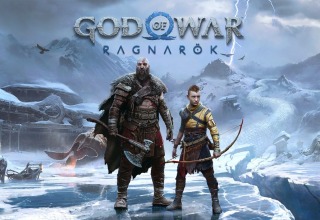
As you walk through the current landscape of gaming and television streaming, the transformation is clear. We’ve seen Marcus Fenix go from a hyper-muscular soldier to a worn, fatherly figure in flannel. We’ve watched Old Snake crawl, panting, through a hot microwave corridor for a final mission. We saw a certain mythical hero with a battle ax experience a glorious rebirth; one that presented him as tired, yet ready to battle against old demons for the sake of his son.
This isn’t arbitrary storytelling. The characters in these stories aren’t only getting older; the audience who connected with these heroes originally has aged with them. They were teenagers pulling all-nighters to complete video games while the rest of the world slept. They are adults now trying to balance work, relationships, and families.
Today, many of us are facing the reality of deciding on a live-in caregiver service for aging parents, or dealing with the problems of our own aging bodies. Seeing our heroes feel physical pain is not only acceptable, it’s almost comforting.
The Stakes of Physical Vulnerability
A weakened hero inevitably necessitates new and interesting ways of telling stories. The stakes when you are young and invincible usually revolve around external problems: save a princess, prevent a bomb from exploding, or vanquish an evil overlord. But the stakes become intensely personal when you’re battling your own body to stand upright and face the onslaught. Each punch thrown in battle has tangible cost, and every trip down a collapsing hall has a genuine sense of danger.
This fragility paves the way for one of modern fiction’s greatest tropes: the mentor figure, usually reluctant and grizzled. By pairing a cynical, older warrior with an inexperienced and idealistic protege authors can craft stories about legacy and redemption. These stories shift from ‘saving the world’ to ‘saving the next generation’. A hero finds purpose not in their capacity for destruction but in their ability to protect and impart wisdom.
A New Meaning of Strength
Our old favourite characters are reminders that heroics can occur throughout a lifespan, not just during a person’s youth. Ultimate strength not only comprises raw speed or devastating force, but also the sheer will to keep going when every inch of your body begs for rest. As our favourite heroes collect scars, wear more gray, and gain wisdom, they’re more than digital and on-screen fantasies, they become a reflection of our own resilience.
Last Updated: July 13, 2026