When the Society of Motion Picture and Television Engineers (SMPTE) defined what the ambient light behind your screen should do way back in 1995, in the document RP 166, Critical Viewing Conditions for Evaluation of Color Television Pictures, it specified a neutral surround with a similar color temperature to D65 — approximately 6500K — and a surround luminance level of no greater than 10% of the display’s peak white.
In contrast, the later SMPTE ST 2080-3:2017 standard defines a surround luminance of about 5 cd/m², which pertains to the surrounding areas around the image, not to the display itself. Thus, these are reference viewing conditions for assessing images. Most people choose their room lighting because they liked the look of somebody else’s setup.
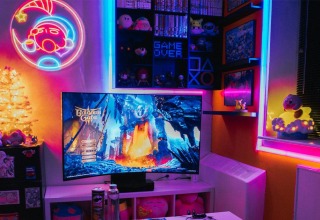
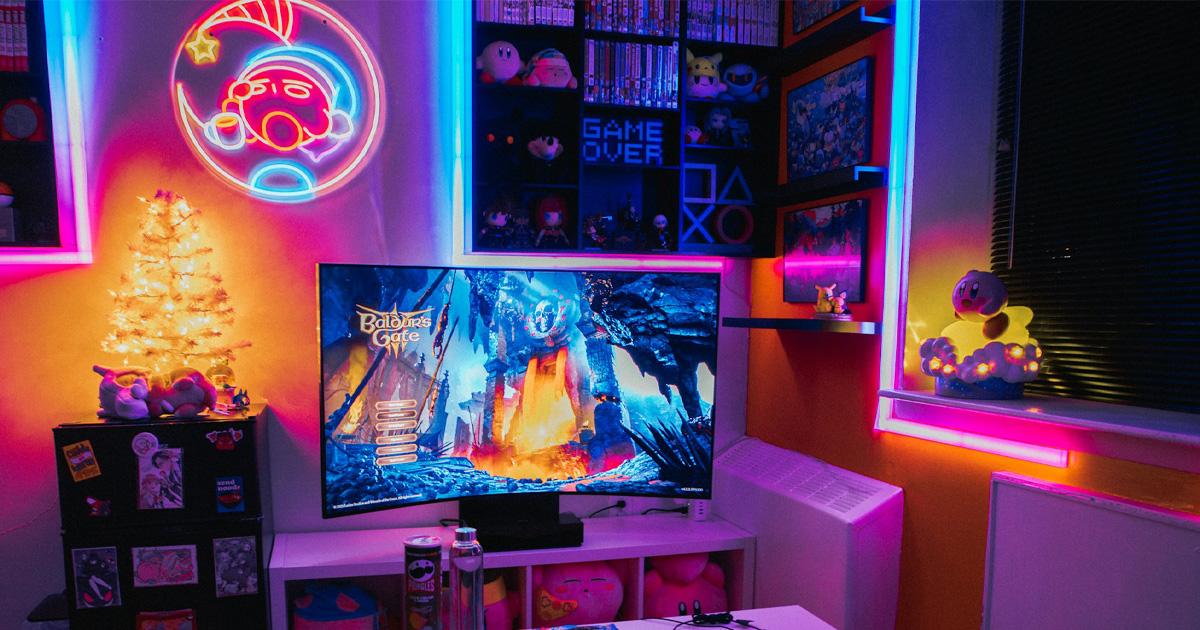
There are currently three products competing for that portion of your wall. There is an LED neon sign; there is a roll of RGB strip; and there are smart panels. Each solves different issues at varying price points. A solution suitable for a film room may be unsuitable for a desk facing a camera.
What Ambient Room Lighting Is Actually For
A brightly-lit screen against a very dark wall can appear somewhat harsh. However, a small amount of constant ambient light behind the display reduces the brightness difference without illuminating your eyes. This is why the concept of bias lighting exists as a type of lighting. Three characteristics determine if a particular light serves as an effective bias light:
Color temperature. Approximately 6500K maintains the neutrality of the wall. If the light is warmer than 6500K, the image appears bluer than otherwise expected. Conversely, if the light is cooler than 6500K, it will cause the image to appear warmer than otherwise expected.
Color rendering. A minimum CRI of 90 or better provides a good base for any dedicated white bias light. While CRI is helpful for maintaining nearby surface colors, CRI does not guarantee the correct D65 white point.
Dimming. Dimming capability is much more important than maximum output. Any light you cannot adjust downward is one you will ultimately turn off.
Outside the area of the screen wall, most of these parameters become significantly less relevant. Lighting over a shelf or bar is simply decoration. Decoration is subjective and subject to taste rather than SMPTE standards. The three options listed below differentiate based upon this factor.
An LED Neon Sign Still Works When It’s Switched Off
LED neon flexible tubing consists of silicone tubing filled with LEDs, mounted on cut acrylic and powered using either 12VDC or 24VDC via an AC adapter. The overall power consumption varies depending upon the flexible tube product selected and the cumulative length of flexible tubing used; therefore, refer to the completed signs’ wattage values rather than relying solely upon size as an indicator. Additionally, RGB and RGBW flexible tubes allow users to alter color levels, however users must consider the total power requirement and cost associated with purchasing color-changing versions.
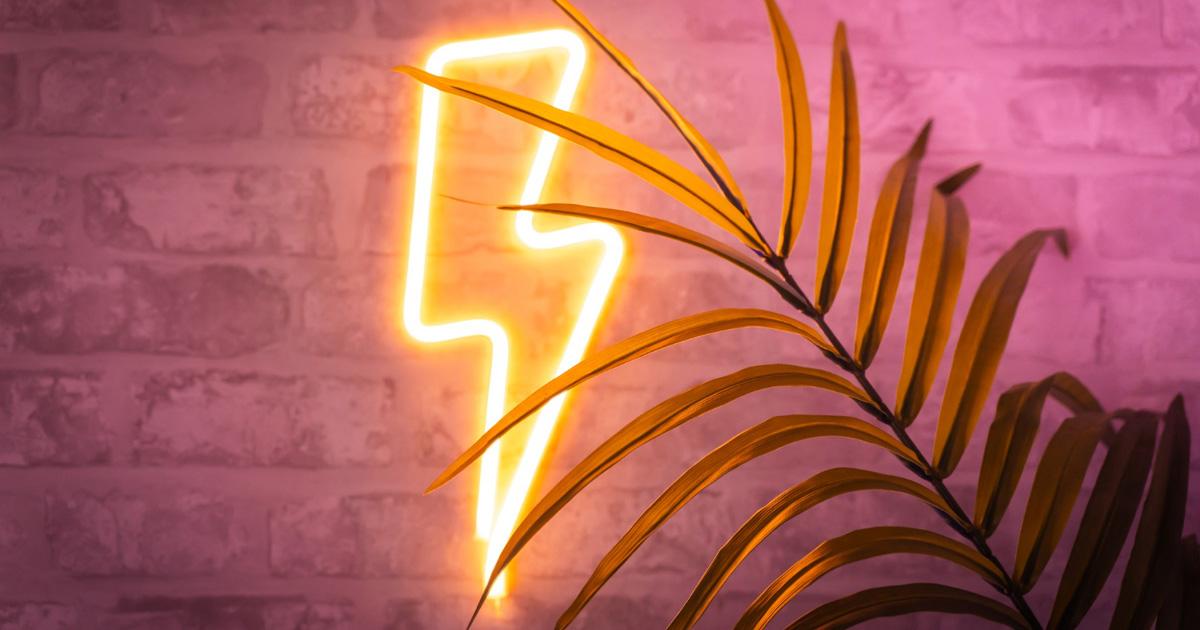
Several manufacturers provide an estimated lifespan of 50,000 hours when describing their flexible products. This is indicative of the product rating provided by the manufacturer and is not indicative of either the entire sign or its AC adapter. LEDs generally generate less heat than traditional halogen spotlights. Users must carefully adhere to supplier specifications regarding mounting and clearance.
The primary distinction among the various flexible products lies in form, as opposed to illumination levels. Flexible signs represent objects emitting light versus light sources intended to be concealed, thus they continue to read as objects during daylight hours even when power is turned off.
A custom LED neon sign is cut and bent into a fixed design. The word, logo or handle you choose therefore needs to be something you will still want to look at in several years. A favorite lyric may not stay a favorite forever. Before ordering any custom LED neon signage, inquire about available dimming capabilities since not all suppliers include dimming functionality.
Neon Designs supplies a wireless dimmer remote with ten adjustable brightness levels as standard equipment, providing a reasonable benchmark for all other suppliers of neon signage. Although one static brightness setting may be sufficient for bar applications, one static brightness setting is extremely frustrating when installed behind monitors.
RGB Strips Are Cheap Light, Not Cheap Design
Flexible strip tape offers superior value compared to other forms of lighting per unit measurement, and flexibility allows installation in locations where other forms of lighting cannot fit. Examples include the back edge of desks or coving runs around ceilings.
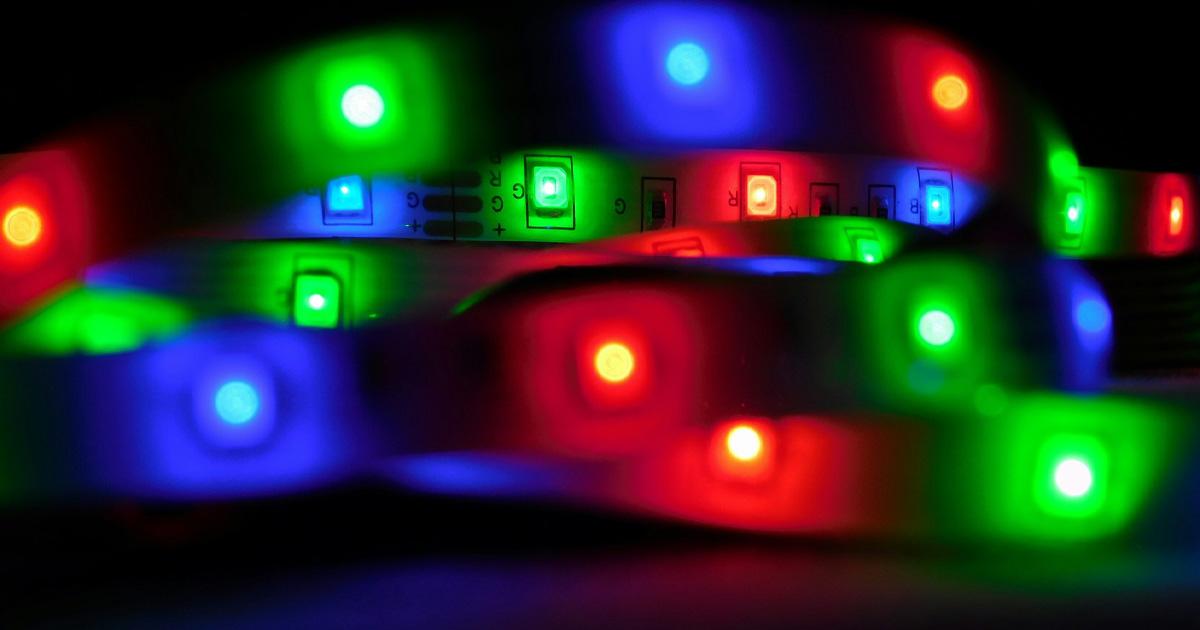
Flexible strip tape has some common weak points. Adhesive backing can fail on textured surfaces or fresh paint before the strip itself wears out. Individual LEDs are visible without utilizing a diffused channel; consequently, “dotting” can show up in photographs of the room. Finally, budget friendly RGB tape seldom reports CRI figures, nor do many report CRI figures greater than 90, which is a useful starting point for a dedicated white bias light, though CRI alone does not guarantee an accurate white point. Mixing red, green and blue to create white results in spectra with peaks resulting in poor color reproduction on wall paint. Flexible tapes are essentially light sources, thus behave accordingly.
Consequently, hide them. Install flexible strip tape in locations where it creates light and concealment of the actual source occurs; pay premium pricing for an aluminum channel having a frosted cover; and it will perform significantly beyond its cost. Place it onto a bare wall where it can be easily seen and it will resemble what it costs.
Smart Panels Sell Control and Bill You in Complexity
Each white-finish Nanoleaf Shapes hexagon puts out approximately 100 lumens and Nanoleaf indicates a maximum of 21 hexagons per 42W supply. Mini-triangles are smaller and less bright. The rated lifespan is 25,000 hours; color temperatures span 1200K to 6500K; and Nanoleaf lists a CRI of 80 across the Shapes family. Since CRI ratings affect performance in relation to calibration of arrays placed behind screens where calibration is critical, this information is significant for owners considering creating arrays behind displays they wish to calibrate.
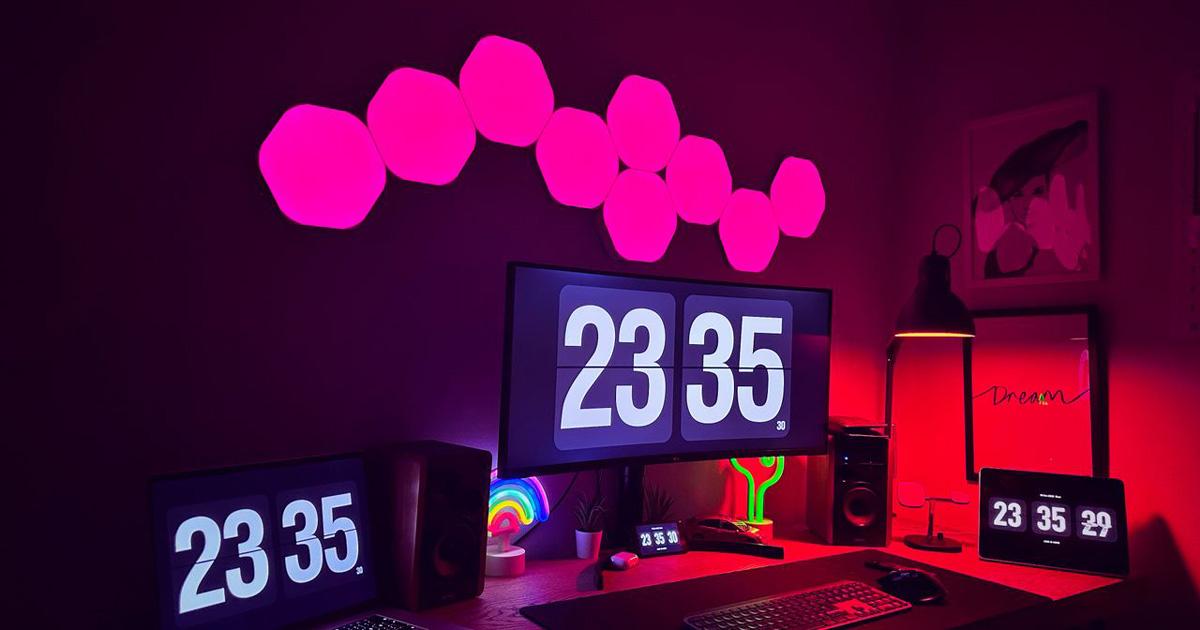
Screen mirroring and music synchronization are additional reasons to purchase smart panels. Costs associated with ownership of smart panels pertain entirely to the complexity surrounding the light itself. For example, Nanoleaf Shapes include a 2.4 GHz Wi-Fi connection; since they will never connect to a 5 GHz-only network. App setup and occasional firmware updates are part of using connected features. Layouts tend to stay where they are attached, because reconfiguring them requires removing adhesive from paint.
Smart panels are best suited to rooms where lighting contributes to entertainment. They suit owners who prefer to stop thinking about lighting far less well. Owning a light that periodically needs a firmware update makes sense if you use the features that require one.
How to Pick Based on What the Room Is For
Functionality of your room determines this issue faster than reading any spec sheet.
Film and TV first. Utilize a dedicated bias light positioned behind the panel at 6500K; with a CRI of ninety or greater; and dimmable. Basic RGB strips and decorative color changing panels are not acceptable substitutes for dedicated white bias lights. Available bias lights can themselves be produced in strip form.
Anything facing a camera. Fixed illuminated objects provide depth in backgrounds that flat walls fail to achieve; and maintain only one color throughout a two-hour streaming session. Color-cycling light does not provide that same fixed background.
Gaming with light and sound sync. Panels or addressable strips are suitable options.
Small or rented rooms. Wall-mounted lighting saves floor space; check how mounts attach and detach before installing it in a rental. A fixed sign still needs an adapter and may have a dimmer; plan where these components and their cables will go.
Rarely do people select only one product for their rooms. Therefore, it may be practical to combine a dedicated white strip performing technical functions behind the screen; plus one fixed object adjacent to the screen performing visual functions. Add panels if their interactive functions are utilized frequently enough to justify them. Choose a suitable dedicated white bias strip for the screen wall. Pay extra for visually appealing elements on walls that you can observe regularly.
Last Updated: September 9, 2026