You watch a new game trailer, send it to a friend abroad, and get an odd reply: “That wasn’t the version I saw.” So you compare the store pages. The prices differ, as you might expect, but so do some of the pictures. One of you can’t even find the same edition. There are several reasons for that, and a currency converter won’t explain them all.
A Game’s Price Is More Than a Currency Conversion
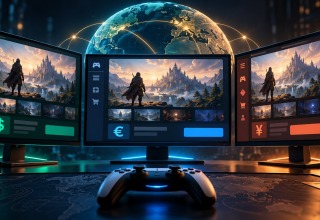
A game priced at $60 in the United States doesn’t necessarily cost the exact equivalent elsewhere. Publishers can account for local buying power, taxes and what people usually spend on entertainment. Steam offers tools to help developers set prices across currencies and regions, though the final choice belongs to the publisher. Two friends browsing the same title can therefore see quite different prices.
Then a sale comes along. One country’s store might have a promotion while another offers a different discount, or none at all. A screenshot of a bargain doesn’t tell you whether that deal is available where you live. It’s easy to miss the country when everyone in the discussion is talking about the same game.
Even the Trailers Can Tell Different Stories
Publishers also prepare trailers for different audiences. That might mean another voice-over, translated text or a different selection of footage. On Steam, developers can upload language-specific videos and restrict certain trailers to particular countries. Its official trailer guidelines give ESRB and PEGI versions as examples of when those restrictions can be useful.
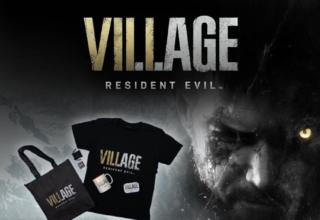
Picture a horror game heading for a worldwide launch. One trailer could lean on the action; another could spend more time establishing the story. The rating information might change too. Even where the game itself is largely the same, people can come away expecting different things from it.
Not Every Release Reaches Every Store at Once
“Out now” needs a little context. A publisher may have chosen to release a game in some markets before others, or to make a listing visible before customers can buy it. Microsoft’s Xbox publishing guide explains the separate controls for markets, store visibility, release schedules and pricing. A missing store page can be part of the release plan.
Special editions and add-ons deserve a closer look as well. A bonus pack, preorder offer or subscription benefit may be available in one market without appearing in another. Before deciding that something has been delayed or removed, check the publisher’s local announcement and your own store. A picture shared from overseas only shows part of the offer.
How Gaming Teams Check What Players Really See
For a launch team, these differences create some fairly mundane jobs that still need doing. Imagine preparing English, Spanish and Japanese campaign material, then finding that a local store page still carries an old image. A reviewer checking a discount has a similar problem: is it actually available to readers in that country? Opening the link on an office computer doesn’t always answer that.
Teams can compare public pages using local language settings, regional storefront options and connections from different locations. A residential proxy sends a web request through a residential IP address, giving the team another view of location-based content. It can help with regional web testing, although a network location is only one of the settings that can affect a page.
For example, a team checking a launch across several markets might use residential proxies to inspect public promotional pages from different regions. PuraRoute offers location selection and rotating or sticky residential sessions for this type of research. A sticky session can help keep the same connection while checking several pages in sequence. Account settings and store region rules can also affect what appears, so teams should check those details alongside the network location.
What This Means for Players
You don’t need specialist tools to understand a regional launch. Start with your official store country, the game’s supported languages and any local release notice. If a friend’s trailer or price doesn’t match yours, ask which store and country they used. Often, that’s enough to explain the discrepancy.
Look at the full package before comparing prices. A cheaper advertisement could be for another edition, a regional promotion or a bundle with different extras. Check what’s included. Gaming news sites can make this easier by stating the region next to a quoted price or release date, instead of leaving readers to work it out.
The Bigger Picture
Players share launch news across borders, but the stores selling those games still serve local markets. Prices, promotions, trailers and release plans don’t always travel together. Understanding those differences helps players compare offers and gives publishers a reason to check their local pages carefully. Sometimes the surprise comes before anyone has even started the game.
Last Updated: October 29, 2026