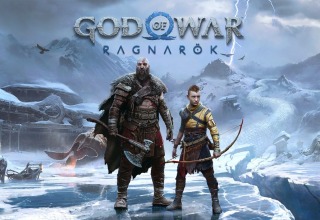
Solo progression and friend-led co-op create different rhythms inside the same online world. One player may pursue personal goals whenever time allows, while a group may reserve an evening for a shared session. Neither approach is lesser participation, and the contrast reveals how games can support both autonomy and connection.
Progression systems often sit alongside those social choices rather than dictating them. In Wuthering Waves, a Lunites top-up is one brief example of how progression or customization can overlap with a wider shared experience. The transaction does not define a community; the decision to play independently or meet others gives each session its social character.
Personal control and shared accomplishment
Solo sessions give players control over pace, goals, and availability. They can explore at an individual speed, step away without disrupting a teammate’s plans, even where the game itself cannot be paused, and focus on objectives that fit the time available. That freedom can sit comfortably beside a community, rather than outside it.
Friend-led co-op turns progress into a shared task. A difficult objective can become a group memory when communication, timing, role awareness, and joint problem-solving shape the result. In research on Halo: Reach, Winter Mason and Aaron Clauset linked playing with friends to better individual and team performance and more prosocial behavior. That offers evidence for the value of existing relationships within one game, rather than a guarantee about every co-op session.
Eneba is a digital marketplace. According to its published trust information, sellers complete verification and their activity is monitored. Product pages show details such as region, platform, and activation requirements, giving readers information to compare before buying. Those checks do not amount to a blanket guarantee about every purchase. Choose a product that matches your account and intended region, and read the seller information and refund conditions.
Recurring play creates community routines
Online communities occupy the space between a private session and an established friend group. Brief exchanges can grow into recurring teams, guild relationships, or regular gaming routines over time. Consider a player who asks for help with an objective, then invites the same helpful teammate back next week. The shared activity gives that first conversation somewhere to go.
Connections do not need to begin as deep friendships to affect a game’s social texture. Knowing who usually explains a difficult encounter, or who enjoys exploring slowly, can make a group easier to join. A familiar teammate, a regular group, or an ongoing conversation can give participation a recognizable social context.
Relationships may also influence when people return. The Halo: Reach study found that players organized their in-game activity around social opportunities. A scheduled session can therefore give someone a reason to log in beyond the next reward. Shared objectives give conversation and teamwork a clear focus, although one game’s findings cannot establish a rule for all communities.
Flexible design supports both paths
Modern co-op design includes local and online formats. Some games are built entirely around cooperation, while others let players move between solo progression and optional group activities according to time and preference. For example, Steam Remote Play Together lets friends join supported local multiplayer games online. Invitations and shared-session tools can make arranging a game easier, though support varies by title.
That flexibility leaves room for an unplanned solo evening as well as a planned get-together. It recognizes that group schedules can be uneven and that coordination can introduce pressure. Co-op’s social value rests on game design, communication quality, and the relationships involved, so solo access remains a meaningful choice.
The Halo: Reach findings support a careful case for playing with friends, not a promise that cooperation always improves behavior or well-being. A helpful group can make a difficult evening enjoyable; a badly coordinated one can make it frustrating. Strong community design lets independent progress and meaningful cooperation fit within one broader experience, with Eneba serving as a digital marketplace for readers comparing options around their own plans or a group session.
Last Updated: September 18, 2026