The spot price on a Bitcoin trading screen is the price of BTC being bought and sold directly. A futures quote is the price of a contract linked to Bitcoin. The two markets are connected, but the transactions are different.
Crypto futures exchanges create a marketplace for crypto derivatives. A crypto exchange futures section operates separately from its spot market. Each will have its own contracts, order books, margin requirements and price structures.
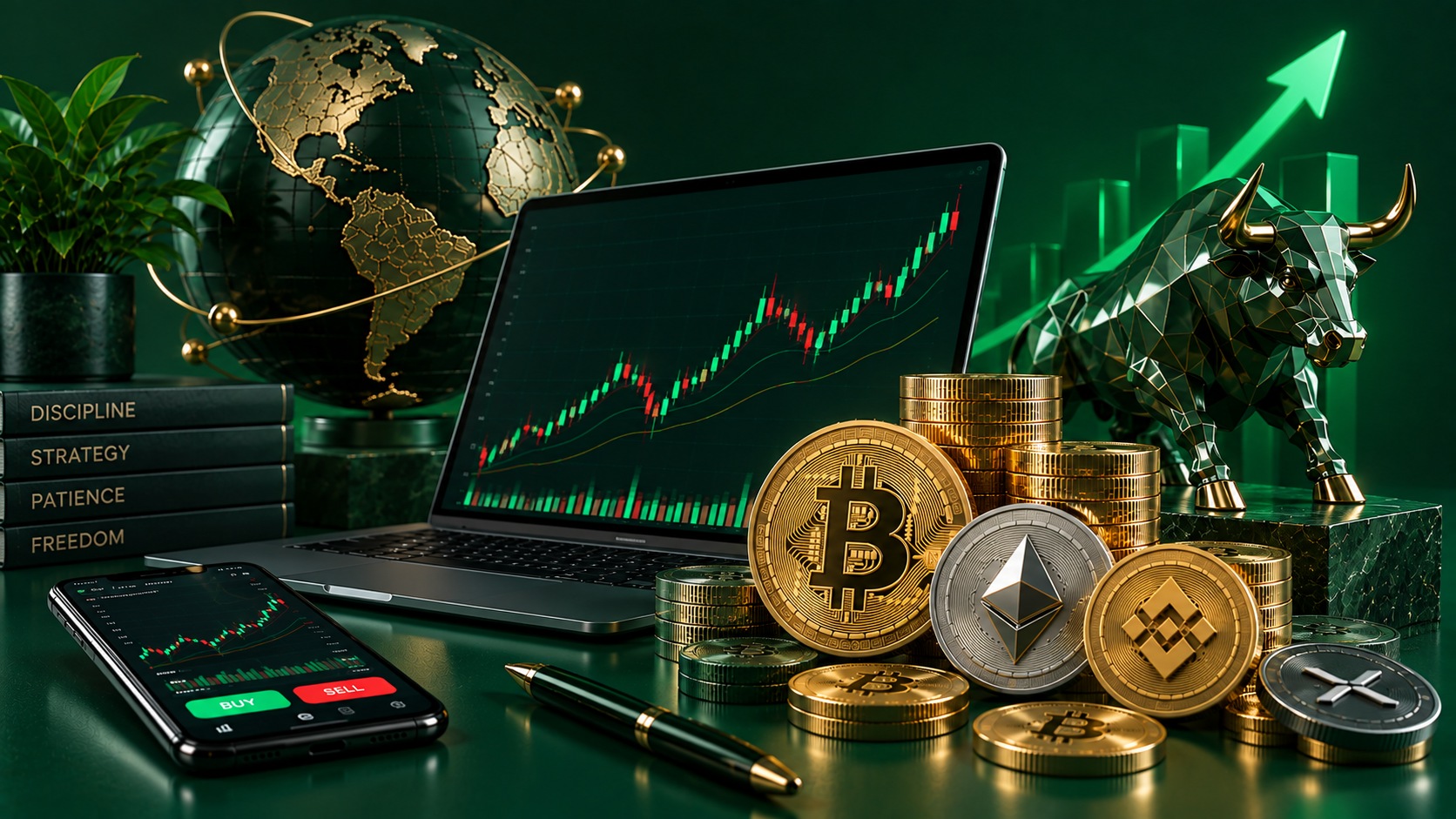
What exactly is being traded?
Bitcoin, Ether or another cryptocurrency is the underlying asset of the contract. However, you do not necessarily receive the cryptocurrency upon opening a position in a futures contract. Trading on a futures contract creates a position that is dependent upon the price of the underlying cryptocurrency.
BTC spot orders involve buying or selling actual Bitcoin. Bitcoin futures orders establish a long or short position in a contract that is based upon the price of Bitcoin. For a cash-settled contract, when you close your position, you settle out the results of the contract; you don’t transfer Bitcoins from one wallet to another.
Longs and shorts are allowed in futures contracts. The value of these positions will increase or decrease depending on how much the price of the contract changes. The ability to create long or short positions in the same underlying cryptocurrency facilitates having a spot market and a derivatives market operating next to each other.
Not every futures contract has an expiry date
In addition to futures contracts with an expiration date, perpetual futures contracts are also traded. These contracts are called “perpetual” because they have no expiration date. In theory, such a position could remain open indefinitely as long as the conditions necessary to maintain it continue to exist.
Since perpetual futures have no expiration date, there must be some other connection between the contract and the spot price. Funding payments commonly provide this connection. Long and short positions in a perpetual future are periodically charged or credited by a payment between them. The direction and size of this payment are determined by the rules governing the contract and prevailing market conditions at the time of the payment.
Funding arrangements differ among exchanges. The interval at which payments are made, the formula used to calculate payments, and the reference prices used can all vary.
Why margin matters
Margin is critical in establishing and maintaining a futures position. Margin essentially provides collateral for maintaining an open position. Margin does not always equate to the total notional value of the position.
For example, you may be trading a position that represents much more exposure than the margin you have posted. The ratio of exposure to margin is referred to as leverage. A change in price can therefore produce a much larger percentage gain or loss relative to that margin.
If losses reduce available margin below what is needed to maintain the position, liquidation procedures may become active. That’s why most futures platforms present users with information regarding maintenance margin and liquidation prices in conjunction with their market prices.
Futures and spot prices can move differently
Each futures market has its own order book, where its price is determined. Those prices can fluctuate independently of spot prices. For dated futures, this is often due to time remaining prior to settlement. For perpetual futures, funding mechanisms help connect the contract’s price to spot prices.
Because of the distinct pricing processes within futures and spot markets, crypto derivatives are viewed as their own part of the market. They reference well-known cryptocurrencies such as Bitcoin, while their contracts, margin systems and settlements differ from direct cryptocurrency trades.
This content is provided for informational purposes only and shall not be construed as financial, investment, trading, or any other form of professional advice. Nothing herein constitutes a recommendation or solicitation to engage in any transaction or investment activity.
Last Updated: September 23, 2026