A lower triglyceride reading and a lower risk of a heart attack are different outcomes. That distinction helps explain why research on omega-3 fatty acids can sound contradictory. A treatment may improve a blood test without every fish oil product offering the same benefit to everyone.
Omega-3s come from oily fish, certain nuts and seeds, and supplements. Fish and seafood supply EPA and DHA. Plant foods such as flaxseeds, chia seeds and walnuts provide ALA. Understanding those sources is a useful first step when considering what the heart-health research means.
How Do Omega-3 Fatty Acids Support Heart Health?
Omega-3 fatty acids bought from amazon help cells function normally throughout the body. EPA and DHA have attracted particular interest because of their effect on triglycerides, a type of fat carried in the blood. Elevated triglycerides are one factor a clinician considers when assessing cardiovascular risk.
Triglyceride levels
EPA and DHA can lower triglycerides, although the response depends on the dose, formulation and person taking them. A clinician may prescribe an omega-3 medicine for someone with high levels and monitor the response.
The American Heart Association’s explanation of prescription omega-3 treatment makes clear that ordinary fish oil supplements should not replace prescription treatment. Buying a supplement and increasing the number of capsules is not a suitable way to treat a high blood test result yourself.
Blood pressure
Some studies have found small reductions in blood pressure, particularly among people with hypertension. Results vary, and a supplement should not replace prescribed blood pressure medicine. Keeping track of blood pressure and following an agreed treatment plan still matter.
Heart attacks and strokes
The NIH review of omega-3 benefits and risks describes why the evidence needs careful reading. Two major trials illustrate the difference:
- VITAL tested daily omega-3 supplements in people without a history of cardiovascular disease. It did not find a significant reduction in its main combined outcome of heart attacks, strokes and cardiovascular deaths.
- REDUCE-IT tested prescription EPA in selected patients at high cardiovascular risk who were already taking statins. It found fewer major cardiovascular events in the treatment group.
Those studies asked different questions. The prescription finding cannot be applied to every supplement on a shop shelf, while the VITAL result does not rule out all possible benefits in particular groups.
Eating fish is another part of the picture. Fish supplies protein and other nutrients alongside omega-3s. Its place in an overall eating pattern matters; adding fish to meals does not remove cardiovascular risk.
Best Food Sources of Omega-3 for a Heart-Healthy Diet
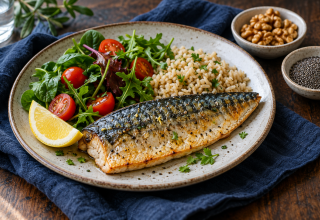
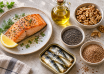
Salmon, sardines, mackerel, herring and anchovies supply EPA and DHA in varying amounts. Choose options that suit your budget and the meals you normally cook.
A few straightforward meal ideas:
- Grilled salmon with vegetables.
- Sardines on whole-grain toast.
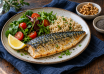
- Baked mackerel with rice and a salad.
Keep added salt and saturated fat low when preparing the meal. The accompanying foods count, too.
For ALA, try ground flaxseeds in oatmeal, chia seeds in yogurt, or walnuts as a snack or salad topping. Certain vegetable oils also supply ALA. The body can convert some ALA to EPA and DHA, but only in limited amounts.
What to Check Before Taking a Supplement
Algal oil can provide DHA for people who avoid fish, and some products also contain EPA. Read the label to see which fats are included.
With any omega-3 product, compare the EPA and DHA amounts per serving. The total fish oil figure on the front of a pack does not tell you how much of each it contains. Check the serving size, ingredients and evidence of independent quality testing.
Discuss supplements with a healthcare professional if you take blood-thinning medication, have a medical condition or are considering a high-dose product. Higher doses have been linked to a greater risk of atrial fibrillation, an irregular heart rhythm.
Omega-3-rich foods can fit into a heart-healthy diet. Whether you need a supplement or prescription treatment is an individual decision. Regular activity, avoiding tobacco, managing blood pressure and cholesterol, and getting appropriate medical care remain essential parts of protecting your heart.
Last Updated: October 23, 2026