The belief that cosmetic customization only caters to vanity purchases has stuck around for years. Yet, for players and collectors who spend hours exploring digital shelves, skins and cosmetic items play a much larger part in how games get discovered and enjoyed. The claim that a skin is just surface-level value misses how player identity and social sharing influence which games and platforms rise to the top of someone’s wish list.
Marketplaces offering cheap skins CS:GO have transformed how people interact with digital items. Shoppers don’t only seek out rare collectibles, they piece together a curated, visually unique experience that shapes how friends and strangers see them in-game. Often, the excitement of finding the “right” skin or customizing a character style adds a new layer of anticipation compared to simply playing for competitive rank. Cosmetic marketplaces aren’t just a finishing touch; for many, they are the entry point that sparks new interest in older titles or introduces a series to new audiences.
The Myth: Cosmetics Don’t Influence Game Choice
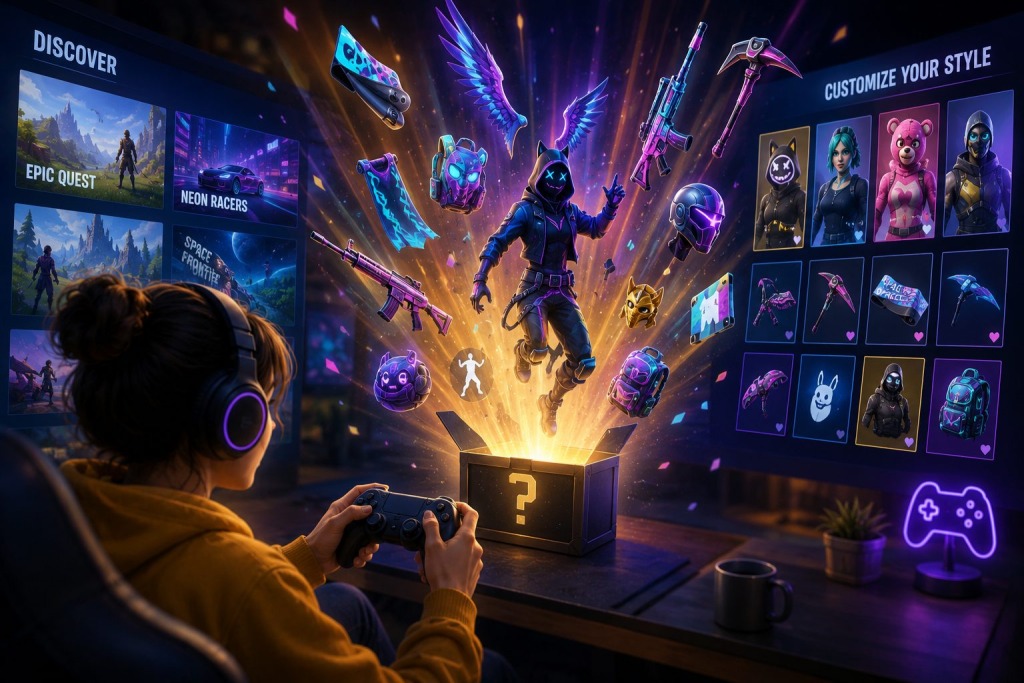
It’s easy to dismiss cosmetic items as afterthoughts, but the sheer popularity of trading and showing off skins tells a different story. Personalization taps into a player’s desire to stand out, whether through a custom knife in a shooter, a themed car in a racing game, or a character outfit in an RPG. When a game’s visual ecosystem is rich with options, forums and Discords come alive with discussion and showcases, and game discovery naturally follows.
Some players begin exploring new titles after encountering striking cosmetics shared in a clip or stream. Limited-edition skins and community-designed items often generate more buzz than a launch trailer. For those who might never try a hardcore game mode, a captivating cosmetic alone can tip the scales toward giving a game a try, or even inspire a return to an old favorite.
Brief Look: How Do CD Keys Fit In?
CD keys are digital codes that unlock or activate games or downloadable content on a range of platforms. Buyers use these codes to add new titles to their libraries, bypassing physical packaging and often getting instant access. On Eneba, the region lock is displayed clearly before checkout, and buyers can see seller ratings up front, which reduces friction when hunting for a specific edition or DLC.
Beyond Looks: The Community-Driven Discovery Curve
Cosmetic customization doesn’t just affect individuals, it shapes communities. When users display unique skins in social spaces or lobbies, it sparks conversation. Others see, ask where it came from, and sometimes pick up the game themselves just to join that creative scene. The process of crafting a digital persona means people are naturally drawn to titles that let them express themselves, which is why games with rich cosmetic ecosystems often rise in popularity far beyond what their pure mechanics might suggest.
Players browsing for fresh cosmetic options end up exploring new genres and meeting new communities. What starts with a rare skin might end in discovering a whole franchise, simply because the marketplace experience drew someone deeper into the world.
The draw of customization isn’t about showing off, it’s about belonging, curiosity, and the thrill of discovery. That’s the precise friction that disappears on digital marketplaces like Eneba, where game keys and skins are transparent, easy to search, and instantly available to anyone ready for their next big find.
Last Updated: July 17, 2026