
The typical monetization strategy for indie games is well-known: sell your game, add downloadable content (DLC) and create temporary discounts in order to acquire a larger audience. This traditional approach still has value today, but fans have other ways to connect with the world you created.
They may enjoy the soundtrack, collect the in-game artwork, or simply want to support the studio behind it. Those relationships can become paid extensions of the player’s original experience.
Think Beyond a Single Transaction
A launch concentrates attention into a short window, while a memorable game can keep attracting players for years. A broader model gives returning fans legitimate reasons to play again.
That does not mean putting a price on every interaction. It means finding what players think has value beyond the core game. The score can work as an album, concept sketches can tell the production story, and a mascot can appear on a keychain.
Start by asking, “What are players currently looking for?” rather than, “What else can I sell them?”
Compare the Options Before Building Them
Each option requires different assets, costs, and levels of involvement.
| Monetization option | Best suited to | Main consideration |
| Soundtrack | Games with distinctive original music | Music rights and audio preparation |
| Digital art book | Visually rich games with strong development art | Layout, commentary, and asset quality |
| Physical merchandise | Recognizable characters, symbols, or inside jokes | Product fit, pricing, and fulfillment |
| Crowdfunding rewards | Studios with a clear project and engaged community | Realistic budgeting and delivery |
| Membership support | Teams able to share updates consistently | A sustainable content schedule |
Treat this as a filter, not a checklist. One well-matched idea is more manageable than five disconnected ones!
Turn Game Art Into Physical Merchandise
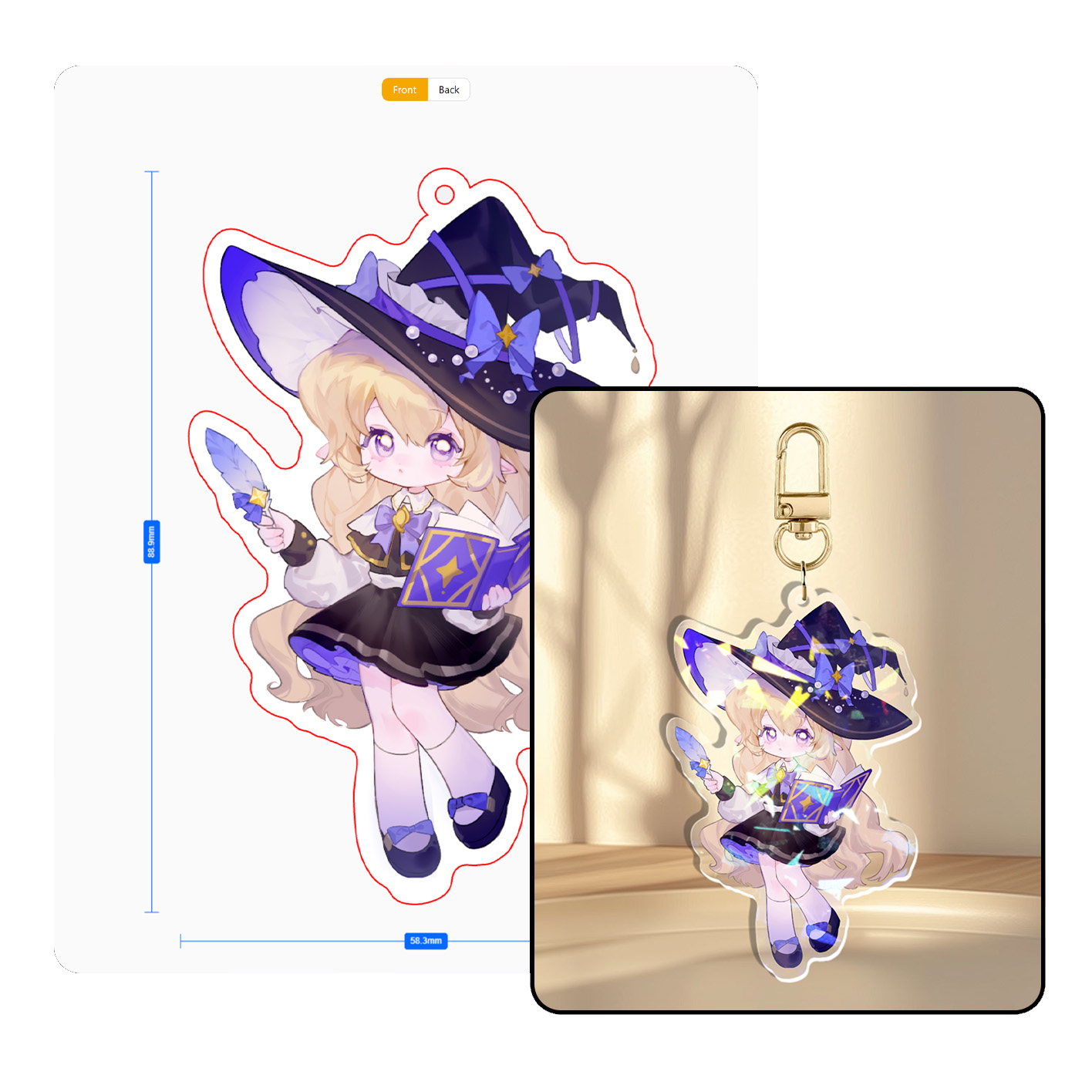
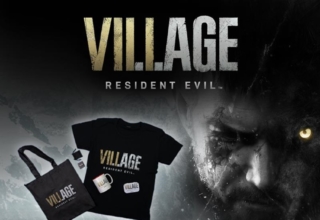
Merchandise brings a game into players’ everyday lives. For example, pins can show faction emblems, prints can preserve environmental art, and keychains can feature recognizable characters from the game.
The challenge is predicting demand, paying for stock, storing it, and shipping orders. Print-on-demand changes that workflow because products are created after customers order. When comparing the best print on demand sites for artists, developers can consider Artiststore, which turns original designs into keychains, stickers, pins, and prints without requiring pre-purchased inventory. It also handles production and shipping.
A focused collection lets you test demand before expanding. Begin with one visual direction and choose a few products that suit the artwork instead of putting every possible item up for sale.
- Pro tip: Order a sample before promoting a product. Check whether small text remains readable, colors reproduce as expected, and important details sit safely within the printable area.
Give Existing Creative Assets a Second Life
Many useful add-ons are already partly made. Original music may stand on its own as a soundtrack, while character sheets, environmental studies, unused artwork, and developer notes can form a digital art book. These products give fans a closer look at the work behind the finished game.
Neither should be seen as just a collection of miscellaneous items thrown together at the end of production. A soundtrack requires the proper music rights, organized audio tracks, accurate track information, and original cover art. An art book needs thoughtful layout, captions, artist commentary, and behind-the-scenes context rather than a folder of exported images.
Bundles can give players a choice between the game alone and an edition containing selected extras. Keep those additions optional so the standard purchase still feels complete rather than deliberately limited.
Use Community Funding With Clear Boundaries
Crowdfunding can help finance a defined project, while memberships may support recurring development updates, sketches, or behind-the-scenes posts. Neither is “easy recurring income.” Both create promises that require time, communication, and delivery.
Before launching either model, decide:
- Exactly what supporters will receive.
- Who will create and deliver each reward.
- What production and shipping will cost.
- How often updates can realistically be published.
- What happens if development takes longer than expected.
Digital rewards can reduce fulfillment work, but they still need a clear scope. A small, reliable offering builds more trust than an ambitious tier the team struggles to maintain.
Build a Revenue Mix That Fits the Game
No single monetization strategy works in every case.
A narrative game with an evocative score may benefit from a soundtrack and art book. Strong characters may create better opportunities for merchandise, while a project with an active development community may be better suited to supporter memberships.
Evaluate each idea against three criteria: proven interest among the target audience; the work required to create it; and whether it adds value to the player experience. If one of those elements is missing, test further before release.
Final Thoughts
The future of indie game monetization is not about squeezing another purchase out of every player. It is about seeing that a game can create value in many forms: an experience, a song, a visual world, a collectible, or an ongoing creative journey.
You do not have to pursue every option. Choose the most natural extension, test it at a manageable scale, and protect the quality of the game itself. When additional products deepen the connection players already feel, revenue follows the world rather than interrupting it.
Last Updated: September 4, 2026