Escaping a locked room is already stressful. Add creaky floors, hiding spots, a timer in your head, and one creepy housekeeper who reacts to noise, and suddenly a simple puzzle game turns into a full panic loop. That is the magic behind Granny-style horror: it takes the classic escape-room fantasy and compresses it into a fast, browser-friendly scare session.
For players who want that tension without installing a big horror title, a granny online game hits a very specific sweet spot: quick access, familiar escape goals, and enough jumpy pressure to make every dropped item feel like a disaster. It is not trying to replace a giant survival horror campaign. It is built for the tab you open when you want ten minutes of “nope, nope, nope” energy.
Why the Escape-Room Formula Works So Well Online
Escape rooms are basically puzzle boxes with a pulse. You search, connect clues, unlock paths, and slowly turn a scary space into a solved space. Granny games borrow that structure, then crank up the pressure by making the room feel alive.
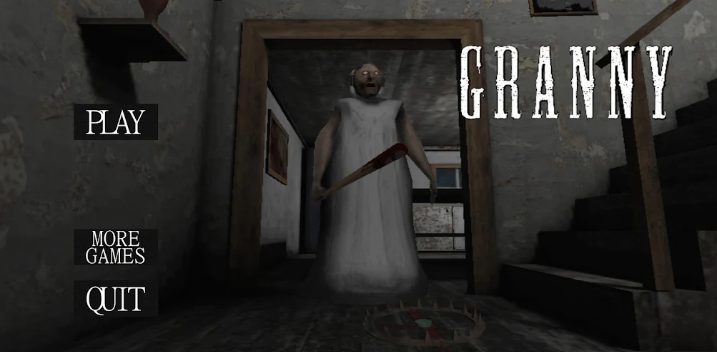
The official Google Play listing for Granny describes the core setup clearly: you are trapped in Granny’s house, you need to get out, you have to stay quiet, and you can hide in wardrobes or under beds. It also notes the five-day structure, which gives the game a simple but effective “you are running out of chances” rhythm.
That is a clean design hook. You do not need a huge lore dump or complicated control scheme. The player understands the fantasy immediately: find useful stuff, avoid the threat, unlock the way out. The fear comes from trying to do normal escape-room tasks while your brain is yelling that something might be coming down the hallway.
Small Spaces Make Every Choice Feel Bigger
A browser horror game does not need a massive map to feel scary. In fact, smaller spaces often work better. A hallway, bedroom, basement, kitchen, or locked garage can become memorable when the player has to revisit it under pressure.
That loop is what makes the format sticky. At first, a room is unknown. Then it becomes a route. Then it becomes a risk calculation. Can you grab the item and hide before the enemy arrives? Is that door worth opening now, or should you save it for the next run? The map slowly turns into a mental checklist, and that is where the escape-room feeling kicks in.
The “Bite-Sized” Part Is the Secret Sauce
Granny-style browser horror works because it respects casual gaming habits. Not every horror fan wants a three-hour session with headphones, darkness, and total commitment. Sometimes the best scare is the one you can jump into between homework, work breaks, or a late-night Discord hangout.
Browser games are built around low friction. Click, load, play. No giant patch. No storage cleanup. No account wall before the fun starts. That matters because horror is easier to sample when the commitment is tiny. If the game hooks you, great. If it is too much, you can bounce without feeling like you wasted money or setup time.
Short Sessions Make Horror Easier to Replay
A full escape-room game can feel like a big event. Granny games turn that into smaller runs. You learn one route, test one idea, mess up, restart, and try again. That rhythm makes failure feel less annoying and more like part of the loop.
The best bite-sized horror sessions usually have a few things in common:
- Fast setup with the goal clear in the first minute
- A small map that becomes easier to read over time
- Enough randomness or enemy pressure to keep routes from feeling solved too quickly
- Clean feedback, so players understand why they got caught
- A restart loop that feels tempting instead of punishing
That last point is huge. Horror can be frustrating when it feels unfair. It becomes addictive when the player thinks, “I know what I did wrong. One more run.”
Why Granny Became the Perfect Browser-Horror Template
Granny games are easy to recognize because the fantasy is so direct. You are not a superhero. You are not blasting enemies. You are sneaking through a hostile house, trying not to make noise, and praying the next hiding spot is close enough.
That vulnerability makes the scares work. The player is usually underpowered, which means every object has weight. A key is not just a key. It is progress. A noise is not just a sound. It is a possible death sentence. A bed is not just furniture. It is a panic button.
It Mixes Puzzle Logic With Survival Instinct
Traditional escape rooms reward calm thinking. Granny games keep that puzzle logic but constantly interrupt it with survival instinct. You may know what item you need, but knowing where to go is not the same as getting there safely.
That creates a fun split-brain experience. One part of you is solving: “This key probably opens that lock.” The other part is reacting: “Hide now, footsteps are close.” When those two layers collide, even simple objectives feel intense.
Modern Browser Tech Helps the Scares Land
Old browser horror often had a problem: the idea was cool, but the performance could be rough. Bad frame pacing, stiff controls, and clunky visuals can kill tension fast. Horror needs responsiveness. If the player feels like the browser is fighting them, the fear turns into annoyance.
Modern web tools have raised the floor. MDN’s WebGL documentation explains that WebGL allows high-performance 2D and 3D graphics in compatible browsers without plug-ins, using hardware acceleration from the device. Meanwhile, WebAssembly is designed as a portable compilation target for web applications and aims for efficient execution across platforms. In plain English: browser games now have better tools for smoother visuals, quicker response, and more ambitious interactive scenes.
That does not mean every browser horror game is automatically polished. But it does mean developers can build creepier rooms, better movement, cleaner lighting, and more reliable moment-to-moment play than the old “janky tab game” stereotype suggests.
Atmosphere Beats Expensive Graphics
The funny thing about Granny-style horror is that it does not need blockbuster visuals. A quiet room, a sharp sound cue, and a door that might open at the wrong time can do more work than a massive cinematic cutscene.
That fits browser gaming perfectly. A smaller game can focus on the pieces that matter most: readable environments, snappy hiding, clear item placement, and sound design that makes the player hesitate before moving. When the atmosphere is dialed in, the game feels bigger than its file size.
The Mini Escape-Room Loop Players Keep Coming Back To
The best Granny-inspired runs usually follow a simple emotional arc. It is not complicated, but it is super effective:
- Explore carefully until you understand the room.
- Find an item that suggests a new objective.
- Make noise or take a risk that attracts danger.
- Hide, reroute, or panic-run to survive.
- Use what you learned to get farther next time.
That loop creates progress even when the player loses. You might get caught, but you found the wrench. You might fail the escape, but now you know where the safe is. You might panic and hide too early, but next run you will push deeper. The game keeps feeding little wins inside bigger failures.
Why It Feels Social Even When You Play Solo
Another reason these games travel well online is that they are fun to watch. A jump scare, a bad hiding choice, or a last-second escape is instantly shareable. Even single-player browser horror can become a group activity when friends are watching in a call and backseat-gaming every terrible decision.
That social energy matters. Browser games spread through links, clips, recommendations, and “you have to try this” messages. Granny-style games are built for that because the premise is easy to explain and the reactions are immediate.
Common Mistakes That Make Bite-Sized Horror Feel Cheap
Not every short horror game lands. The format is simple, but it is easy to mess up. Too many games confuse “scary” with “random,” or “hard” with “unfair.” Players can forgive simple graphics. They are less forgiving when the game wastes their time.
The biggest mistake is unclear feedback. If a player gets caught and has no idea why, the tension breaks. Another mistake is hiding important items in ways that feel like pixel hunting instead of puzzle solving. A good escape-room horror game should make the player nervous, not bored while checking every corner for one tiny object.
What Players Should Look For
If you are picking a Granny-style browser game, judge it by feel first. Does the game start quickly? Are the controls readable? Do you understand the basic goal without a wall of text? Does losing make you want another run?
Those questions are more useful than obsessing over graphics. The strongest browser horror games usually win because they get the fundamentals right: quick access, clear pressure, fair danger, and a satisfying sense that every run teaches you something.
Why the Format Still Has Room to Grow
Granny games became browser-horror favorites because they are compact, readable, and weirdly replayable. They take the brainy satisfaction of an escape room and add the messy panic of being hunted. That combo works especially well online because it delivers instant tension without demanding a whole evening.
As browser performance keeps improving and players keep looking for flexible ways to play, bite-sized horror has a strong lane. The genre does not need to become bigger to get better. It needs sharper rooms, smarter audio cues, cleaner objectives, and more clever ways to make players choose between solving and surviving.
That is why Granny-style games keep finding new fans. They are simple to open, easy to understand, and stressful in the best way. One tab, one locked house, one bad noise, and suddenly a tiny online game feels like a full escape-room nightmare.
Last Updated: August 3, 2026