
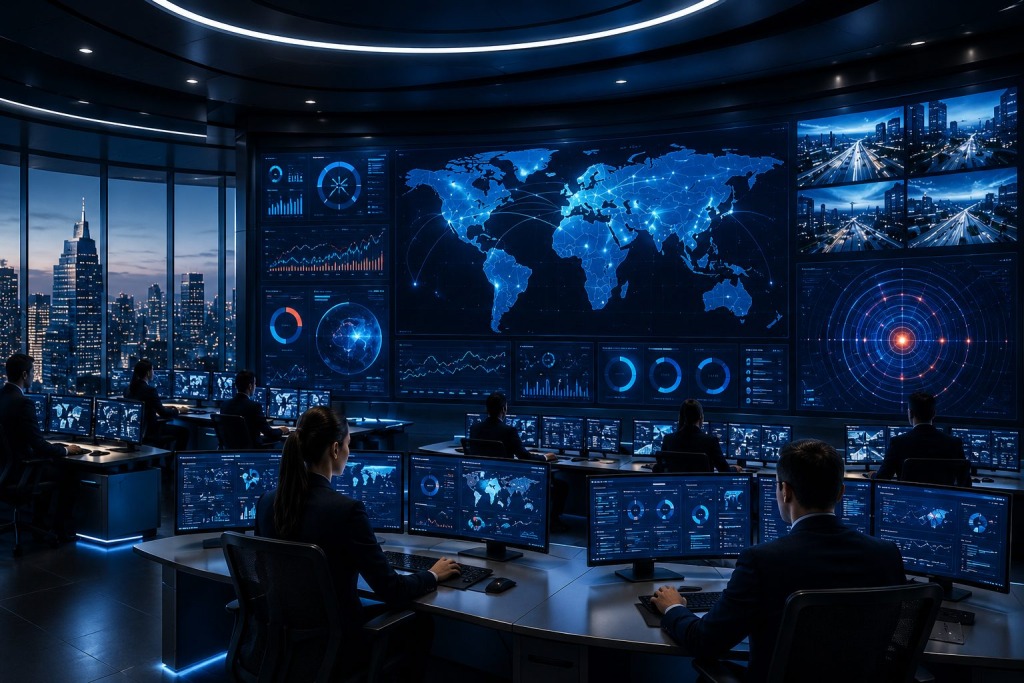
As we move deeper into 2026, the concept of the traditional home office has been completely disrupted by the emergence of the high-performance digital command center. Whether you are an enterprise software engineer managing multi-cloud architecture, a creative director rendering real-time 3D assets, or a dedicated gamer demand-streaming high-fidelity titles, your physical environment directly impacts your cognitive output. We have crossed the threshold where ergonomics is no longer just about your chair—it is about the entire physical layer of your room.
The modern digital enthusiast treats their room setup as an integrated technology stack. Every element—from the primary power distribution network to the geometric placement of acoustic panels—is optimized for maximum performance and zero friction. Yet, the single most critical component of this stack is frequently overlooked: the foundational surface supporting the entire technical array. A high-end setup requires a baseline material that offers unyielding stability, vibration dampening, and absolute resilience under heavy hardware loads.
The Physics of the Battlestation: Heavy Loads and Acoustic Clarity
To understand the necessity of structural integrity in a tech-focused space, one must analyze the physical demands placed on the room. A premier digital setup often features motorized sit-stand desks, multiple heavy displays mounted on articulating arms, external cooling loops, and high-fidelity speaker systems. This concentrated mass exerts massive, continuous pressure on the room’s base layers, causing low-grade materials to sag, crack, or separate over time.
Furthermore, acoustic performance is paramount for both deep-work focus and immersive audio monitoring. Low-density, hollow surfaces act as a giant amplifier for low-frequency vibrations—such as PC fan resonance, subwoofer output, and structural footsteps—muddying the soundscape and creating constant background noise. Upgrading to high-durability interior foundational surfaces resolves these mechanical issues at the source, providing a solid, high-density substrate that dampens micro-vibrations and ensures your precision hardware remains perfectly level and stable through years of high-intensity operational use.
The Reality of Low-Maintenance Tech Environments
A common oversight when designing a media room or tech hub is the accumulation of dust and electrostatic charge. Legacy textiles and low-grade finishes actively attract particulates and trap pet dander, which are then pulled directly into your hardware’s intake fans, leading to thermal throttling and premature component failure.
The 2026 tech space mandates an asset-light, performance-heavy approach to materialism. Discerning creators are choosing advanced, non-porous composites and treated hardwoods that are naturally anti-static and completely effortless to maintain. These advanced surfaces eliminate the need for specialized chemical treatments, allowing you to maintain a sterile, dust-free environment for your hardware with basic, non-intrusive cleaning methods, keeping your focus entirely on your production or gaming pipeline rather than the maintenance of the room.
Frictionless Upgrades: The Single-Source Tech Mentality
The modern digital professional values temporal sovereignty above all else. The traditional model of home improvement—navigating fragmented retail stores, decoding confusing material specifications, and managing unvetted third-party laborers—is completely incompatible with a high-velocity tech schedule. Tech-focused individuals demand the same streamlined efficiency from home service providers that they expect from a software deployment pipeline.
This demand has driven the rise of vertically integrated, end-to-end service models. The most efficient room transformations occur when a single team handles the entire lifecycle of the upgrade—bringing advanced material samples directly to the user’s space, analyzing the room’s specific geometry under actual operational lighting conditions, and executing the physical installation with absolute precision. This automated approach eliminates project downtime, allowing you to upgrade your command center’s base infrastructure without sacrificing valuable development time or creative velocity.
Conclusion: The Sovereign Workspace
The future of digital production and immersive entertainment is tied to the quality of the spaces we build. A high-performance codebase or a competitive gaming record requires a high-performance environment that operates with total reliability under any load.
By recognizing that your room’s foundational layer is just as critical as your GPU or your network bandwidth, you unlock a new tier of environmental stability and focus. The horizon of modern design belongs to the tech-forward individuals who build their spaces from the floor up on a foundation of data, logic, and uncompromised material integrity.
Last Updated: May 29, 2026