
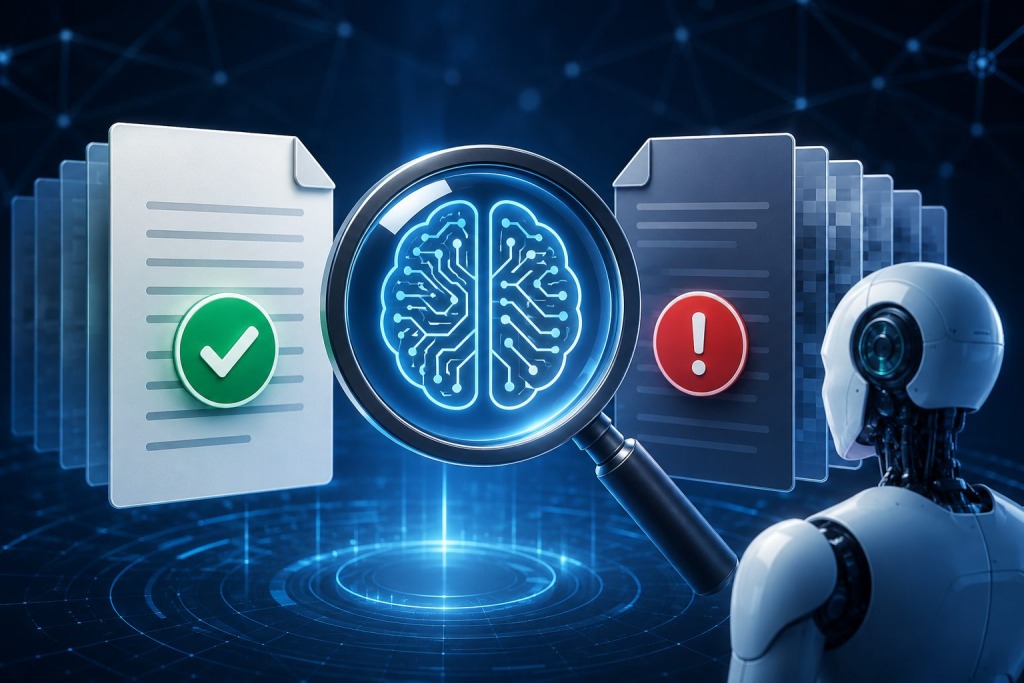
Artificial intelligence has become a major force in content creation. Businesses use AI to generate marketing copy, students use it for research assistance, and creators rely on it to produce images, videos, and social media content. While these technologies have improved productivity and efficiency, they have also introduced new challenges regarding authenticity and trust.
As AI-generated content becomes increasingly sophisticated, AI detectors are emerging as essential tools for individuals and organizations that need to verify whether content was created by a human or artificial intelligence.
The Explosion of AI-Generated Content
The adoption of generative AI has grown rapidly over the past few years. Today, AI can create realistic articles, professional-looking graphics, convincing voice recordings, and even highly detailed videos. What once required hours of work can now be completed in minutes.
This accessibility has made content creation easier than ever. However, it has also increased concerns about misinformation, plagiarism, fraud, and content authenticity. In many cases, it can be difficult to distinguish AI-generated material from human-created work without specialized analysis.
As a result, organizations across multiple industries are seeking reliable ways to assess digital content before making important decisions based on it.
What Are AI Detectors?
AI checkers like Undetectable AI are tools designed to analyze content and identify patterns that may indicate artificial intelligence involvement. Depending on the type of content being evaluated, these systems may examine language structures, image characteristics, metadata, or other indicators commonly associated with AI-generated outputs.
Rather than providing absolute certainty, AI detectors typically generate probability-based assessments. These insights help users determine whether additional review or verification may be necessary.
AI detection tools have become increasingly valuable because they provide a practical first layer of analysis in a world where synthetic content is becoming more common.
Why AI Detectors Matter
Protecting Content Integrity
Publishers, media organizations, and businesses depend on trustworthy content. AI detectors help identify potentially synthetic material before it is distributed, helping maintain quality and credibility.
Supporting Academic Integrity
Educational institutions face growing challenges as students gain access to advanced writing tools. AI detectors can help educators evaluate submissions and better understand how content may have been created.
Combating Misinformation
False information can spread rapidly online, particularly when supported by convincing AI-generated text, images, or videos. Detection tools help organizations identify suspicious content and reduce the risk of misinformation reaching large audiences.
Preventing Fraud
Cybercriminals increasingly use AI-generated content to create fake identities, manipulate documents, and conduct social engineering attacks. AI detectors provide an additional layer of defense against these emerging threats.
Strengthening Consumer Trust
Consumers are becoming more aware of synthetic content. Organizations that implement verification processes demonstrate a commitment to transparency, which can strengthen customer confidence and brand reputation.
The Growing Need Across Industries
AI detection is no longer limited to educational settings. Businesses, government agencies, publishers, recruiters, financial institutions, and content platforms are all exploring ways to incorporate detection technologies into their workflows.
For example, hiring teams may review AI-generated application materials, publishers may verify submitted articles, and online platforms may analyze uploaded content to maintain quality standards. As AI-generated media continues to expand, the demand for reliable detection solutions is expected to increase.
AI Detection Is Part of a Larger Verification Strategy
Although AI detectors are valuable tools, they should not be viewed as standalone solutions. The most effective verification strategies combine automated detection with human review, source validation, and contextual analysis.
No technology can guarantee perfect accuracy, especially as AI generation models continue to improve. However, AI detectors provide important signals that help users make more informed decisions when evaluating digital content.
Conclusion
The digital landscape is changing rapidly, and artificial intelligence is playing a larger role in content creation than ever before. While AI offers tremendous opportunities, it also creates new challenges related to authenticity, trust, and accountability.
AI detectors are becoming essential because they help organizations and individuals navigate this evolving environment with greater confidence. By supporting content verification, reducing risk, and promoting transparency, these tools are helping build a more trustworthy digital future.
As we move through 2026 and beyond, AI detection technologies will likely become a standard component of responsible content management and digital trust strategies.
Last Updated: June 18, 2026