AI keeps reshaping how digital content gets made, and video’s really where that shift shows up most clearly — speed, consistency, and genuine creative flexibility all matter more than ever there. One of the recent developments worth paying attention to is Seedance 2.5, an updated AI video model built to smooth out the production process while opening the door to a wider range of creative uses.
As AI-generated video becomes more of a fixture across marketing, education, entertainment, and social platforms, something like Seedance 2.5 shows just how far this technology’s moved past basic automation. The newer models aren’t trying to replace creativity — they’re increasingly built to strip out the repetitive parts of production while still leaving real control over the visual storytelling in the creator’s hands. Anyone curious to dig deeper can check out Seedance 2.5 directly, which walks through the latest version and what it’s actually capable of.
AI Video Generation Keeps Getting Better
The first wave of AI video tools was mostly about turning a text prompt into a short animation or a fairly basic visual sequence. Genuinely exciting at the time, but these early systems ran into real limits — consistency issues, rough motion, awkward scene transitions, and prompts that didn’t always translate the way you’d expect.
What’s changed across the industry lately is a steady move toward more refined output. Newer models are handling longer, more detailed prompts, keeping characters looking consistent scene to scene, and producing camera movement that actually resembles something a human would’ve shot, rather than looking obviously synthetic.
It’s really part of a bigger pattern in generative AI overall — these tools are moving out of “interesting experiment” territory and into something people can genuinely build everyday creative work around.
What Seedance 2.5 Actually Brings to the Table
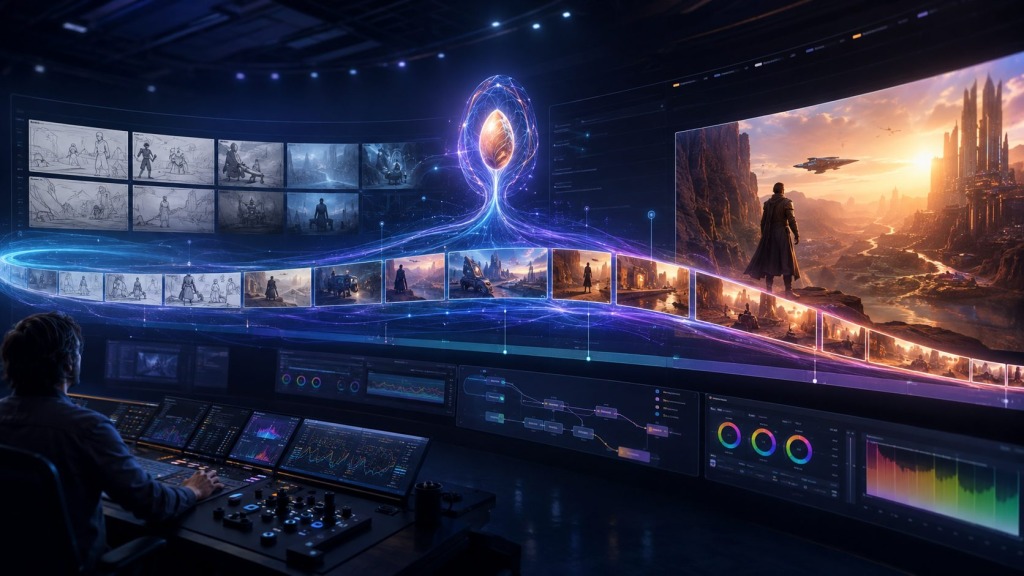
What stands out about Seedance 2.5 is the focus on improving overall generation quality while making the whole workflow feel less clunky. Instead of bouncing through a bunch of separate editing steps, creators can go from a rough concept to a finished visual with a lot fewer manual adjustments along the way.
A few specific areas got real attention in this update: better interpretation of more complex text prompts, stronger continuity across generated clips, movement that looks more natural for both objects and characters, tighter visual consistency frame to frame, and faster turnaround when you’re iterating on an idea.
Put together, that adds up to a noticeably smoother production experience — especially useful for anyone who tends to build out several video concepts before landing on the one that actually works.
Speeding Up How Creative Teams Actually Work
Efficiency’s become a real priority for content teams working under shorter and shorter deadlines. Marketing departments, agencies, educators, independent creators — pretty much everyone’s under pressure to keep publishing fresh content across several platforms at once, on a schedule that doesn’t leave much room to breathe.
AI-assisted production cuts down the time spent on the repetitive stuff — draft visuals, concept videos, testing out different creative directions before committing to one.
It’s worth noting this isn’t really replacing traditional editing software — it’s more of an earlier stage in the process. A concept gets generated fast, refined through feedback, and then polished further with conventional editing tools when needed. That combination frees creative people up to spend their actual time on storytelling and strategy instead of grinding through routine production tasks.
Where This Actually Gets Used
As AI-generated video’s become more accessible, its usefulness has spread well past entertainment content alone.
Marketing campaigns lean on it heavily — product launches, seasonal pushes, digital ads. AI-generated video helps during the early brainstorming and concept stage, producing visual drafts that communicate a campaign idea before anyone commits to full production. That tends to smooth out bottlenecks and makes it a lot easier to test different messaging angles before picking one.
Social media content is another obvious fit, given how central short-form video’s become to most platforms. Creators often need to post several times a week, and AI-generated visuals help maintain that pace — intro sequences, effects, animated backgrounds, or standalone concept videos that fit alongside whatever else is already being published.
Visual storytelling goes well beyond commercial marketing too — education, journalism, internal comms, creative projects. AI video generation gives people another way to illustrate an idea that would otherwise need heavy animation resources or a full live-action shoot. Educational explainers, conceptual demos, narrative sequences — all of it benefits from being able to produce visuals faster.
Automation Doesn’t Replace Creative Judgment
Even with all this automation, human creativity is still doing the heavy lifting throughout the actual content development process. A genuinely successful video project still depends on solid scripting, understanding the audience, real editing decisions, and clear visual direction.
AI-generated output tends to work best as a starting point, not a finished product. Creators typically review what comes out, tweak the prompts, edit sequences, adjust pacing, and layer in branding before anything actually goes live. It’s a genuinely collaborative workflow — machine speed paired with human judgment, not one replacing the other.
AI’s Becoming Part of a Bigger Creative Ecosystem
Looking at how this technology’s actually being adopted, AI video generation is clearly becoming one piece of a larger creative pipeline rather than something that stands entirely on its own. Content teams are weaving AI into planning, scripting, visual ideation, image generation, video production, and editing — each stage getting a different kind of benefit from automation, while still needing a human keeping an eye on things.
As these models keep improving, future updates will likely push toward longer video generation, more editing flexibility, sharper prompt understanding, and better consistency across longer scenes. Updates like Seedance 2.5 are a good example of where this is all heading — toward genuinely practical production environments where efficiency and human creative input get equal weight, rather than one crowding out the other.
Looking Ahead
The way AI video generation keeps evolving reflects how expectations are shifting across digital media more broadly. Organizations and individual creators alike want tools that speed up production without watering down what they were actually trying to make.
As this keeps developing, the real value tends to show up in how well it supports existing creative workflows, not in replacing them outright. Faster concept generation, smoother pipelines, and stronger visual consistency all free up teams to spend more energy on strategy and actually connecting with an audience — the part that was never going to be automated anyway.
As adoption spreads across marketing, social media, education, and creative industries generally, ongoing improvements in AI video are likely to keep shaping how visual content gets planned, produced, and refined. Updates like Seedance 2.5 are a solid example of this technology gradually becoming a genuinely practical part of modern content creation — supporting workflows that are faster and more flexible, without pushing the people actually doing the creative work out of the picture.
Last Updated: August 3, 2026