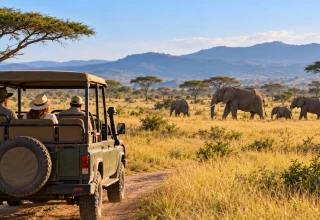
First-timers browsing african safari tours usually start with a picture already in their head. It comes from documentaries, films, and old travel stories, and it sets expectations a real trip rarely matches.
The differences between those expectations and reality can create problems and expense. Travelers may pack incorrectly for the season or follow an overly aggressive schedule that leaves too little time for viewing wildlife. For a vacation many people take once, poor planning can be difficult to put right.
Here are 10 common myths, and what first-timers should know instead.
Myth 1: A Safari Park Works Like a Giant Zoo
In the wild, animals roam in their natural environment. Many reserves do use a fence, but they don’t have individual cages like zoos. There are no feeding times for visitors to plan around. You won’t know exactly where or when an animal may appear.
Early mornings and late afternoons can be the most productive times for seeing wildlife. Expect early starts; the middle of the day is often quieter.
Myth 2: The Big Five Is the Whole Point
It’s certainly fun to see lions, leopards, elephants, rhinos, and buffalo, but seeing all five is never guaranteed.
Many people have their most memorable experiences with animals they never expected to see:
- A hyena clan interacting at dusk
- A fish eagle calling across a river
- Giraffes, zebras, and antelope herds
- Smaller creatures like dung beetles and secretary birds
A good guide can turn these smaller sightings into exciting encounters.
Myth 3: Safaris Are Dangerous
Wildlife does present some hazards. Choose a well-established tour operator, then follow the instructions given by your guides. Guides learn to recognize potentially dangerous behavior and keep their distance from wild animals. Even then, no wildlife encounter is free from risk.
Your part is following a few rules:
- Keep yourself and your gear inside the vehicle
- Keep your voice low and avoid sudden movements
- Never walk alone after dark in unfenced camps, since animals can wander through at night
- Use a camp escort when one is offered
Myth 4: Africa Is Hot All Year
Temperatures at midday are usually warm. Your morning or evening drive can feel very cold in an open vehicle, though, especially in the wind. Bring layers you can remove as the day gets warmer.
When the northern hemisphere has summer, southern Africa has winter. The cooler weather makes winter a good time for a safari in southern Africa.
Myth 5: You’ll Be Roughing It Off the Grid
A safari might bring to mind a rugged camping adventure. That experience is available, but travelers can also choose mid-range or luxury lodges. Many lodges and camps have hot showers, good food, and Wi-Fi.
Connectivity still varies from camp to camp, so sort out your data before you fly. This checklist for choosing an eSIM data plan covers what to compare.
Myth 6: Only the Wealthy Can Afford a Safari
Safaris can be costly, but they fall into several price brackets. Many national parks and reserves offer accommodation ranging from campsites with few amenities through to mid-range and luxury lodges.
For a historical benchmark, Go2Africa reported an average safari budget of $5,500 to $6,500 for 2023. Many lodges offer all-inclusive packages with food and activities, making it easier to plan your budget.
Myth 7: Any Month Works the Same
You can go on safari all year, although your choice of month affects what the trip is like:
- Dry season: Less foliage and fewer water sources make animals easier to spot. Prices can be higher, and popular parks or reserves can get crowded.
- Green season: Lower prices and lush vegetation are part of the appeal. Wildlife tends to be spread over a larger area.
Think about what you want to see first. Choose the season and destination around that.
Myth 8: What You Wear Doesn’t Matter
There are practical reasons for the familiar khaki safari look:
- Neutral tones like olive, beige, and tan help you blend in
- Skip dark blue and black, which attract tsetse flies in parts of East Africa
- Skip white, since dusty roads turn it brown quickly
- Wear closed shoes and a sun hat, and carry a light rain jacket even on clear days
- Cover up at dusk with long sleeves and pants to keep mosquitoes off
Myth 9: You Need a Professional Camera
There is no need for expensive professional photography equipment to take good pictures. Modern cell phones can produce excellent images, particularly when your guide finds a sighting close enough to photograph.
Binoculars often matter more. Plenty of animals keep their distance, and a good pair lets you watch behavior a phone can’t zoom in on. The binocular tips in this guide to gear for dark-sky stargazing trips carry over well to the bush, as does packing a power bank.
You’ll likely come home with a lot of photos, so plan how you’ll sort them. These photo organizing software options can help you find shots by place or date later.
Myth 10: More Parks Means a Better Trip
Many first-time safari visitors attempt to see all the major parks. A traveler from North America may spend 30+ hours simply reaching a popular safari destination. With each subsequent transfer, there is less time left to observe wildlife.
Safari planners advise the opposite:
- Spend longer in fewer places
- Match your time to your priorities, such as staying in the region where leopards or cheetahs live if those are on your list
- Check what each lodge offers, since some include walking safaris
Final Take
A first safari goes best when your expectations match how the bush actually works. Plan around the right season, pack for cold mornings and dusty roads, and give yourself enough time in each place. The wildlife will handle the rest.
Last Updated: October 28, 2026