
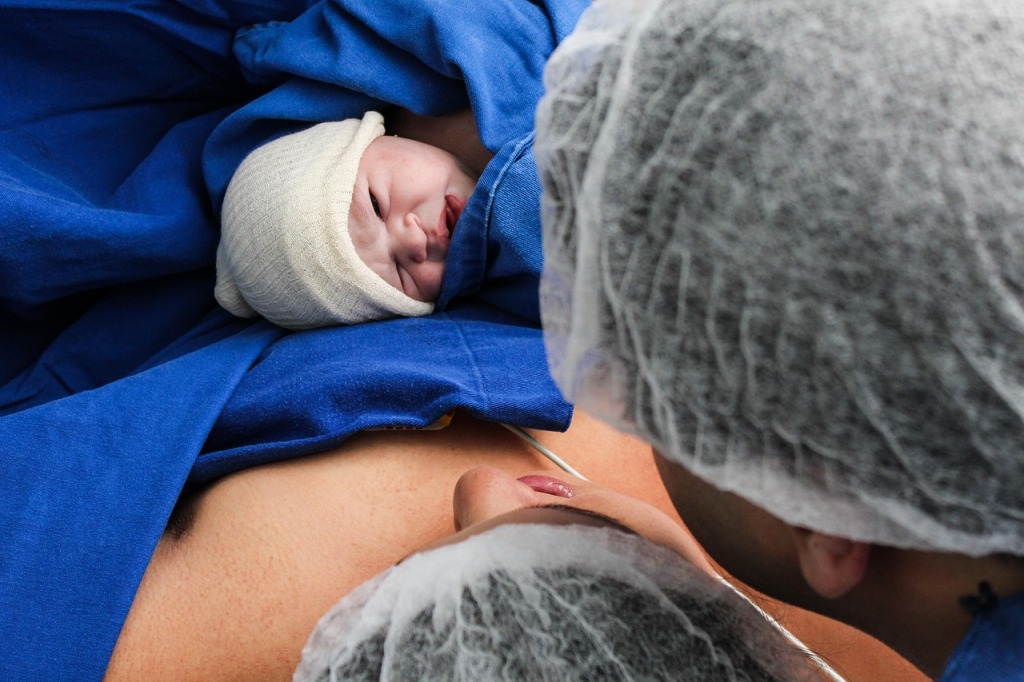
Complicated births are not associated with uniform outcomes and neurological impairment rarely presents as a single, isolated sign. Rather, clinicians depend on overlapping indicators within physiological systems, behavioral patterns, and longitudinal observations. A systematic evidence-based prism is required to differentiate a temporary neonatal adaptation from a clinically relevant dysfunction.
Neurophysiological Instability in the Immediate Neonatal Period
The first signs usually appear a few hours after birth. Dysregulation in autonomic control centers can manifest itself in abnormal respiratory patterns, variable heart rate variability, and compromised thermoregulation.
These symptoms are also often considered in combination with Apgar scores, but the latter alone is not specific in neurological prognosis. Constant instability outside the immediate postnatal period is something that should be considered carefully by neurologists, especially in cases involving hypoxic or ischemic stress.
Sensorimotor Integration Deficits
Disruptions in motor and sensory coordination are often used to infer neurological impairment. Clinicians assess how effectively infants integrate sensory input into motor output instead of focusing on tone abnormalities alone. Lack of visual tracking, slow response to auditory stimuli, and slow orienting behaviors could be signs of impaired cortical processing. These results can be better informative when they are followed in a series of examinations, as opposed to a single time point.
Feeding as a Neurodevelopmental Task
Feeding is a multifaceted, coordinated action that engages a variety of neural circuits and not a simple reflexive behavior. Lack of coordination between suck-swallow-breathe indicates brainstem pathway and cranial nerve integration dysfunction. Infants who are easily fatigued during feeding or are unable to sustain rhythmic patterns could be having early neurological compromise. These observations usually precede more overt motor deficits.
Seizure Activity and Subclinical Presentations
Although overt seizures are a critical marker, subclinical seizure activity is a challenge in diagnosis. Minor symptoms like repetitive oral movements or brief eye deviations might not be detected without electroencephalography (EEG). Early identification is crucial since longitudinal studies have linked seizure burden to poor neurodevelopment.
Imaging-Clinical Correlation
Neuroimaging offers structural frame-work to explain clinical findings. MRI is especially useful in detecting the presence of white matter damage, basal ganglia damage, as well as cortical damage. However, imaging results must be interpreted in conjunction with clinical presentation, as structural findings do not always predict functional outcomes with precision. This justifies the need for constant developmental monitoring.
Environmental Modifiers and Early Interaction
Even though neurological damage is rooted in physiological processes, developmental pathways may be affected by environmental factors at an early age. Factors like prenatal emotional bonds might influence early caregiver-infant relationships which, in turn, influence cognitive and behavioral outcomes. These factors do not substitute clinical indicators but offer a context of variability in recovery patterns.
Intervention Pathways and Evidence Constraints
Intervention strategies are still based on early, targeted therapy. Although cognitive stimulation models, including those loosely related to neurobics, are under investigation, their use in neonatal populations should be interpreted cautiously.
Existing data is in favor of structured and multidisciplinary interventions, including physical therapy, occupational therapy, and developmental observation instead of single cognitive treatment.
Clinical and Legal Interfaces
Families may also turn to outside advice in situations where there is a connection between neurological impairment and a set of avoidable complications. Institutions like the Birth Injury Justice Center provide informational resources. Clinical decision-making should be pegged on empirical evidence and expert assessment though.
Endnote
Identifying neurological impairment is a rigorous process that cannot be identified by relying on individual signs. The neonatal brain development is dynamic, and initial signs have their meaning only in the context of a larger clinical course.
Last Updated: May 6, 2026