
Siding plays a critical role in protecting a home from weather, improving energy efficiency, and enhancing curb appeal. When siding begins to crack, warp, or fade, many homeowners start researching replacement options and quickly ask the same question: how much does it cost to side a house?
The total cost of siding installation can vary widely depending on the size of the home, the material selected, labor costs, and whether any structural repairs are needed during the project. While some homes can be sided for around $10,000, larger homes or premium materials may push total project costs above $40,000. Understanding the major factors that influence siding costs helps homeowners plan their renovation with realistic expectations.
Average Cost to Side a House
The price of siding installation is usually calculated by total project cost or by square footage.
Typical Total Cost Range
Most homeowners can expect to pay somewhere within the following range:
- $10,000 to $20,000 for smaller homes or basic vinyl siding
- $20,000 to $30,000 for mid-size homes with upgraded materials
- $30,000 to $40,000+ for large homes or premium siding products
These ranges vary based on the home’s size and architectural complexity.
Cost Per Square Foot
Contractors often estimate siding costs by the square foot of exterior wall space. Installed siding generally costs between:
- $8 and $30+ per square foot installed
Lower-cost materials such as vinyl typically fall on the lower end of that range, while higher-end materials such as fiber cement or natural wood may fall toward the upper end.
Major Factors That Affect the Cost of Siding a House
Several variables influence the final cost of siding replacement. Understanding these factors helps homeowners determine which choices have the greatest impact on the budget.
Home Size and Exterior Surface Area
One of the biggest cost drivers is simply the amount of siding required. Larger homes require more materials and more labor hours.
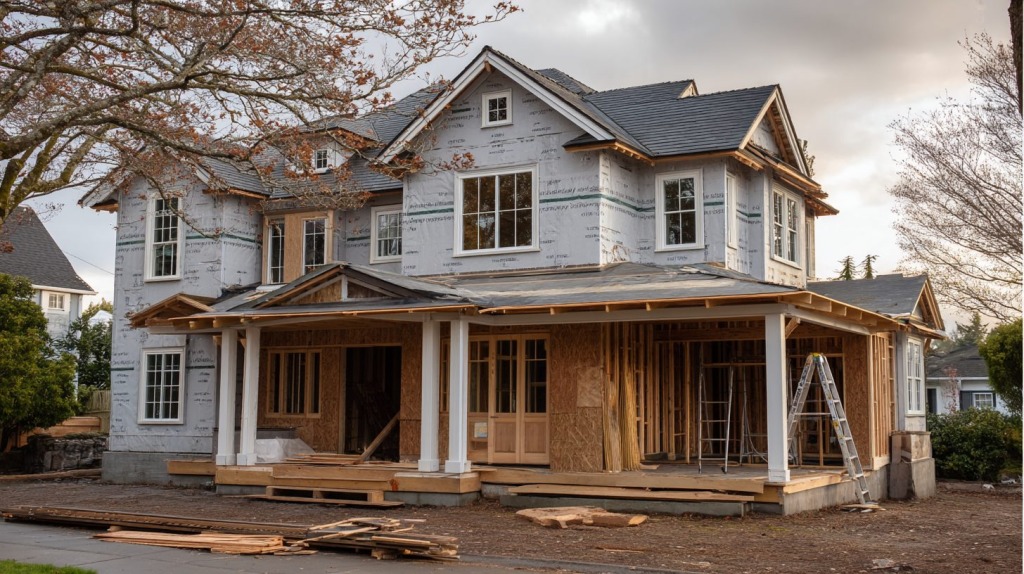
Multi-story homes can also increase installation complexity. Contractors must work at greater heights and may require additional safety equipment or scaffolding, which adds to labor costs.
Homes with complex architectural features—such as dormers, trim details, and multiple wall angles—also take longer to install siding.
Siding Material Choice
Material selection is one of the most important decisions homeowners make during a siding project.
Vinyl Siding
Vinyl siding is the most common siding material in the United States because it is affordable, durable, and requires minimal maintenance.
Typical benefits include:
- Lower upfront cost
- Wide range of colors and styles
- Resistance to moisture and insects
Fiber Cement Siding
Fiber cement siding is known for durability and fire resistance. It often mimics the appearance of wood but requires less maintenance.
While fiber cement costs more than vinyl, many homeowners choose it for its longevity and strength.
Engineered Wood Siding
Engineered wood combines natural wood fibers with resins and treatments to improve durability. It provides the appearance of real wood while reducing maintenance requirements.
Natural Wood Siding
Natural wood siding offers a classic aesthetic but requires regular sealing, staining, or painting to maintain its appearance and protect against moisture damage.
Material choice often determines a large portion of the final project cost.
Labor and Installation Complexity
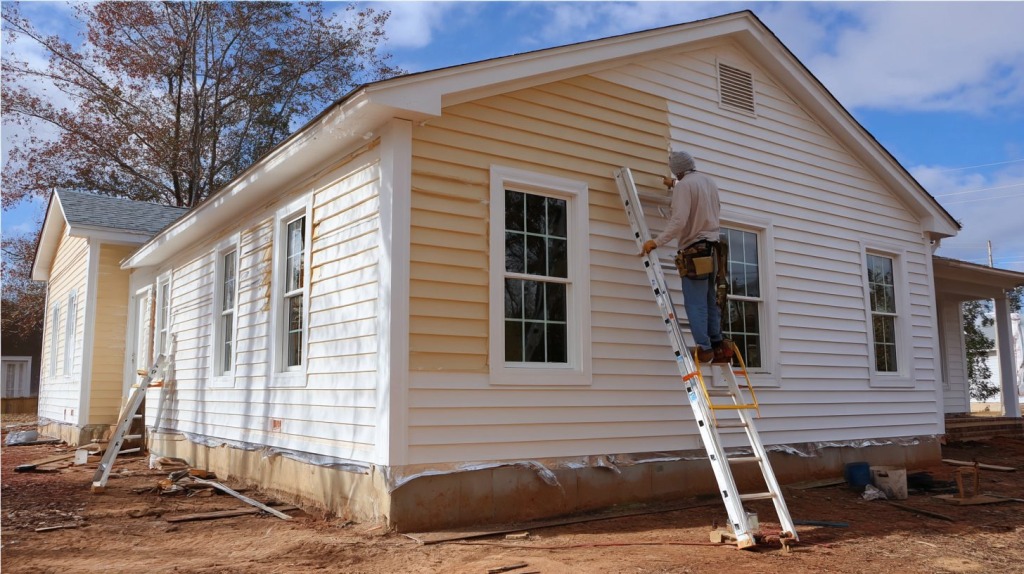
Labor represents a significant portion of siding installation costs. The more complex the home’s structure, the more time it takes to install siding properly.
Proper installation is essential to ensure siding performs as intended. Poor installation can lead to moisture damage, structural issues, and premature siding failure.
Experienced contractors such as Elevate Construction and Window Installation often guide homeowners through material selection and installation methods that balance durability, appearance, and cost efficiency.
Removing Existing Siding
Before new siding can be installed, the old siding usually needs to be removed.
Removal costs can include:
- Labor to remove the existing material
- Disposal fees
- Surface preparation for new siding
During removal, contractors may also discover structural damage underneath the old siding. Moisture exposure can sometimes cause wood rot or insulation damage, which must be repaired before the new siding is installed.
Insulation and Weather Barriers
Many siding projects include upgrades to exterior insulation and moisture protection.
Common improvements include:
- House wrap or moisture barriers
- Rigid exterior insulation panels
- Air sealing upgrades
These additions improve the home’s energy efficiency and weather resistance but increase the total project cost.
Hidden Costs of Siding Replacement
While many homeowners focus on siding materials and labor, several additional expenses can arise during the project.
Structural Repairs
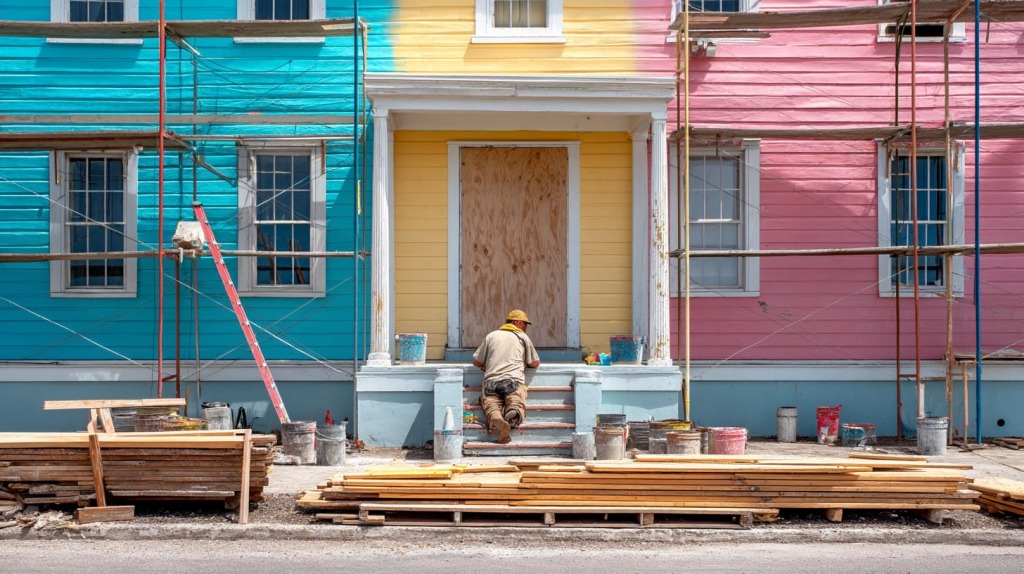
If moisture damage or structural rot is discovered after removing old siding, repairs may be required before installation continues.
Trim, Fascia, and Soffits
Exterior components such as trim boards, fascia, and soffits may also require replacement to match the new siding.
Window and Door Adjustments
In some cases, siding replacement projects include upgrades to windows or doors to improve energy efficiency and maintain a consistent exterior appearance.
Exterior renovation projects that combine multiple upgrades are often coordinated by contractors like Elevate Construction and Window Installation, who manage siding replacement alongside other exterior improvements to ensure proper integration.
Cost Comparison of Popular Siding Materials
Different siding materials vary significantly in price and lifespan.
| Siding Material | Cost Per Sq Ft Installed | Average Lifespan |
| Vinyl | $8 – $12 | 20–30 years |
| Fiber Cement | $15 – $25 | 30–50 years |
| Engineered Wood | $12 – $20 | 20–30 years |
| Natural Wood | $18 – $30+ | 20–40 years |
While lower-cost materials reduce initial expenses, higher-end materials often provide longer durability and reduced maintenance costs over time.
How to Reduce the Cost of Siding a House
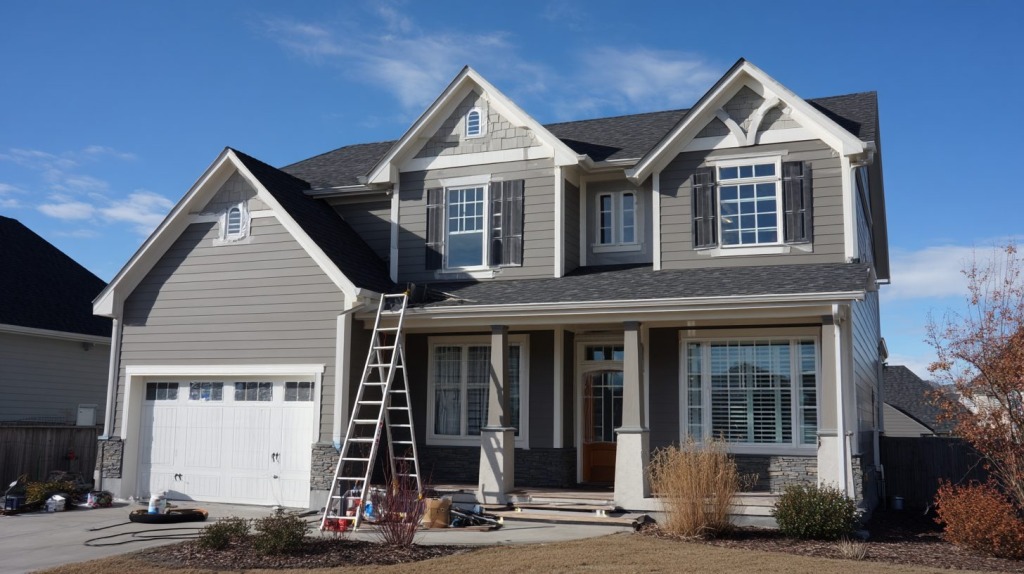
Homeowners looking to control siding costs can consider several strategies.
- Choose materials that balance durability and price
- Schedule installation during slower construction seasons
- Address structural repairs early to prevent larger issues
- Work with experienced contractors during project planning
Careful planning can significantly reduce unexpected costs during the installation process.
When It’s Time to Replace Your Home’s Siding
Recognizing the warning signs of siding failure helps homeowners avoid more serious structural damage.
Common signs include:
- Warped or cracked siding panels
- Peeling paint or fading color
- Increased energy bills
- Mold or mildew growth
- Visible moisture damage
Replacing siding at the right time helps maintain the home’s structural integrity and protects the property from weather-related damage.
Final Thoughts
So, how much does it cost to side a house? In most cases, homeowners can expect siding projects to fall between $10,000 and $40,000 or more, depending on home size, materials, and installation complexity.
Siding replacement is more than just a cosmetic upgrade. It improves insulation, protects the structure from moisture, and enhances the overall value of the property. By understanding the factors that influence siding costs, homeowners can approach their renovation project with a clearer budget and greater confidence.
Last Updated: March 5, 2026