Thoughtful instruction needs more than content. It needs timing, records, feedback, and a clear route for every learner. A learning management system brings those pieces into one organized environment for schools, employers, public agencies, and nonprofit teams. Lessons become easier to assign, progress becomes easier to verify, and gaps become easier to correct. The result is a calmer, more accountable way to guide people through required or skill-based education.
Core Definition
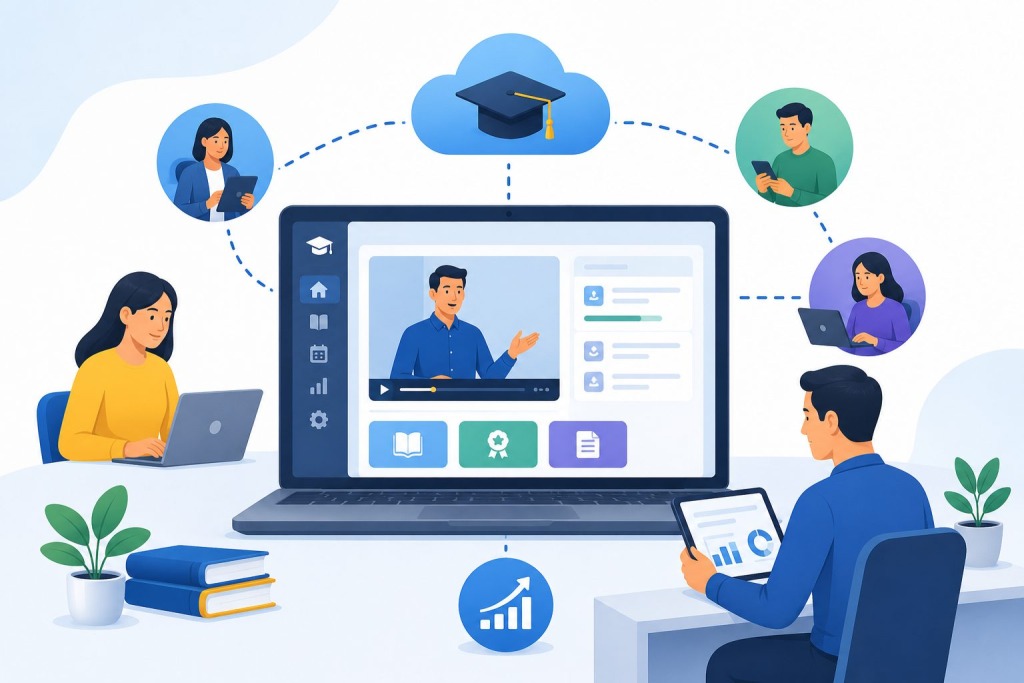
A useful definition starts with function, not software labels. So, “What is an LMS system?” In practical terms, it is a platform that organizes course access, learner enrollment, assessments, completion records, communication, and reporting. It gives administrators a controlled workspace while giving participants a clear place to find lessons, deadlines, certificates, and support materials.
How It Works
Most platforms separate the administrator experience from the learner experience. Program owners build courses, add users, set dates, and review outcomes. Participants sign in, complete assigned activities, take checks, and monitor their own status. Behind the scenes, the system records activity and converts it into usable evidence. That recordkeeping reduces guesswork and limits repetitive manual follow-up.
Course Delivery
Course delivery improves when the right material reaches the right person without delay. A learning platform can host video lessons, readings, quizzes, assignments, live sessions, and discussion areas. Administrators can organize courses by job role, location, credential, or skill level. Learners get a defined sequence, while supervisors can see progress before missed deadlines become larger problems.
Consistent Onboarding
Onboarding often suffers when new employees depend on whoever has time that day. A learning platform creates a steadier first experience. Each person can receive the same policy overview, safety guidance, product knowledge, and role basics. Managers can add checkpoints and due dates where accuracy matters. Early consistency helps reduce confusion during a period when staff already face a heavy information load.
Compliance Training
Compliance education depends on proof as much as participation. A learning management system can assign required modules, record completion dates, and preserve certificates. Reports show who finished, who failed, and who still needs attention. That matters during audits, renewals, or internal reviews. Clear documentation also helps leaders act before missed requirements create avoidable risk.
Learner Engagement
People learn better when they receive feedback while the course is still active. Many platforms include short lessons, quizzes, progress indicators, badges, surveys, and discussion tools. These features help participants recognize movement and correct errors sooner. Instructors can identify weak areas before final scores arrive. Remote teams also gain access to shared learning spaces without relying on a single classroom schedule.
Data And Reporting
Training data helps leaders move from opinion to evidence. Reports can show completion rates, assessment scores, time spent, overdue assignments, and course ratings. Patterns matter. If many learners miss the same question, the material may need clearer wording or stronger examples. Evidence also helps teams prioritize updates, compare groups fairly, and defend budget decisions with measurable results.
Training At Scale
Growth can quickly strain manual education processes. A learning management system can enroll large groups, send reminders, reuse templates, and support multiple locations. It also helps organizations serve employees across shifts, departments, or regions. That scalability is useful when hundreds or thousands of people need instruction without multiplying the administrative workload at the same pace.
Key Features
Strong platforms usually include course management, user roles, assessments, certificates, notifications, reports, and communication tools. Mobile access can help field staff, clinicians, technicians, and hourly employees complete lessons away from a desk. Integration with human resources or identity systems can reduce duplicate entry. Permission settings also help protect sensitive employee and learner information.
Choosing A Platform
Selection should begin with training goals. Buyers need to map required courses, user groups, reporting expectations, security needs, and support capacity. A smaller team may value quick setup and plain dashboards. A larger organization may need integrations, custom permissions, and advanced analytics. The best choice fits current operations while leaving room for measured growth.
Common Use Cases
Schools use learning platforms for coursework, assignments, grades, and student communication. Companies rely on them for onboarding, sales education, product instruction, leadership development, and compliance records. Public agencies can distribute policy updates and document required learning. Nonprofits may train volunteers, partners, and staff while reducing travel, scheduling friction, and the need for repeated live sessions.
Implementation Tips
A strong launch starts with clean content and clear ownership. Teams should pilot priority courses with a small group before broad release. Feedback can reveal confusing steps, missing instructions, or broken links. Administrators also need reporting routines from the beginning. Regular review keeps the platform accurate after the first rollout and prevents outdated lessons from quietly staying in circulation.
Conclusion
A learning management system improves delivery by combining structure, access, records, and accountability in one place. It supports consistent lessons, clearer oversight, faster reporting, and better decisions from real learner data. The practical value is direct: fewer scattered processes, stronger documentation, and education that can expand without losing control. Chosen carefully, the learning platform becomes a dependable foundation for workforce development, academic programs, and compliance education.
Last Updated: July 16, 2026