
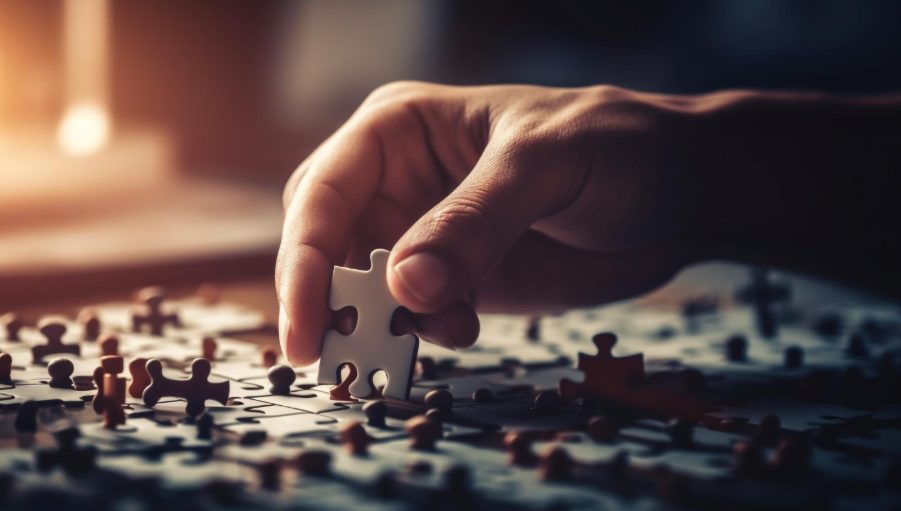
Now think about how noise never stops online. People want clear thoughts at day’s end without effort piling up. Puzzle games show up quietly here, doing real work behind smiles. Shapes shift under fingers. Numbers click into place when eyes grow tired, yet the mind stays awake. These small tasks build sharpness slowly, like water shaping stone. Pictures reassemble themselves piece by piece during quiet minutes. Focus returns without force because play teaches patience better than rules ever did.
Nowadays, because of the web, anyone can jump into countless puzzle types – no paper or pieces required. Whether it is math riddles or picture-based tricks, digital puzzles draw crowds by mixing enjoyment with mental exercise.
Why Puzzle Games Remain Popular
Long before screens existed, people loved piecing things together. Now, with phones and computers, those challenges spread wider than ever. Instead of just watching or listening, these games ask the mind to step in. Focus matters. So does waiting without rushing. Reason guides each move forward.
Puzzles stick around mainly because they’re easy to get into. No matter how old you are or where you come from, there’s always a way in. Solving an easy one helps kids think better, whereas tougher versions keep adult brains active and tensions lower. Their wide reach makes them stay.
A win here, a solved challenge there – puzzle games hand out quiet triumphs. Beating one sharpens focus, nudges you toward the next. Momentum builds without fanfare, just a steady pull forward.
Strengthening Logical Thinking
Starting off strange, some games push thinking by mixing pattern spotting with choice making. Take number ones – these need grid checking, link finding among digits, yet skipping repeated sequences along the way.
Puzzles like these shape how the mind organizes thoughts, little by little. Because consistent practice with reasoning tasks happens, clearer analysis tends to follow. With repetition, handling real-life problems often becomes more manageable.
For instance, people who enjoy solving sudoku puzzles online often notice improvements in their ability to concentrate and analyze information. Sudoku requires careful reasoning, patience, and attention to detail, making it an excellent exercise for the mind.
Improving Memory and Concentration
Picture this: puzzle games sharpen how well you recall things, plus they train your brain to stay focused longer. Think about it – solving them means keeping past moves in mind, spotting repeating shapes, even imagining paths that might work later on.
Starting small each day builds pathways in the mind tied to remembering and paying attention. Over weeks, doing them again and again boosts thinking strength little by little. With enough repetition, those mental skills tend to stay steady much longer.
Puzzles pull you in different ways than just sitting back watching something. Because they require real attention, every choice needs slow thought before going ahead. Each step changes what comes next, so staying focused becomes part of the game itself.
Actually, staying sharp might come down to something as quiet as fitting puzzle pieces together now and then. Some teachers, along with thinkers, see it more like training, just without weights or tracks. For folks aiming to think clearly as time moves on, this habit often shows up as one of those low-key habits that stick. Solving riddles or patterns isn’t loud or flashy – yet many trust it gently wakes the mind each day.
Encouraging Patience and Persistence
Working out a puzzle hardly ever happens right away. A few might finish fast, yet most need time, repeated tries, and too deep thinking. Sticking with them builds endurance, slowly teaching you to wait.
Puzzles that feel tough at first often push someone to stay with them longer than expected. Because of this, trying again – just differently – becomes normal. A fresh way of looking might reveal what was missed earlier. Giving up fast loses its appeal when progress shows slowly.
Puzzles might seem small, yet they build traits useful far outside the game. Sticking with a problem matters just as much in school, work, or choosing what to do on a Tuesday. Waiting calmly while things unfold helps everywhere – classrooms, meetings, even grocery lines.
A Relaxing Break from Digital Stress
When you sit down with a puzzle, your thoughts often slow down. A quiet kind of focus takes over, much like what happens when turning pages or hearing soft notes play. These moments give space to breathe without needing answers fast.
Puzzles tend to slow things down compared to the rush of video games or endless feeds. Because of that pause, the mind gets space – stepping back from nonstop alerts – to work on one thing at a time.
Pieces falling into place often feel calm. When hands move through shapes, minds sometimes slow down too.For example, some individuals prefer to play jigsaw puzzles during their free time as a way to unwind while still engaging their minds.
The process of gradually completing an image piece by piece can provide a satisfying sense of calm and achievement.
Suitable for All Age Groups
What keeps puzzle games popular? Their shape-shifting nature. Depending on skill, the challenge shifts – easy for some, tough for others. Kids fiddle with pieces just as adults wrestle complex patterns. Age hardly matters when the game bends to fit the player.
Puzzles start small for kids, building how they spot patterns, plus work through basics. Older ones dive into tougher versions, pushing their reasoning while mapping moves ahead.
Puzzles can help adults stay mentally sharp – some just like them because they’re fun to solve. For older people, these activities often mean more than passing time; they keep thoughts moving, eyes focused, hands busy.
Finding new ways to grow never stops when puzzle challenges adjust to skill level.
Developing Creative Problem-Solving Skills
Puzzles might seem like pure brainwork, yet they spark imaginative leaps just as much. Not every challenge falls apart under one rigid method. Trying out odd turns, bending usual paths – this is how players shift forward.
When you think in open ways, your mind gets better at handling fresh problems. Because creativity matters so much, it shows up everywhere – whether tackling a science project or finding smarter methods at work.
Finding patterns pulls people in. As they play, folks start wondering how different moves might speed things up. A quiet urge grows – to test small changes and see what clicks.
Building Healthy Mental Habits
Solving puzzles now and then keeps your mind ticking. A handful of minutes every day turns thoughts sharp, almost without notice. Some find it clears noise, like shaking dust off an old record. The brain wakes up different when nudged by patterns. Quiet moments with riddles build attention you might not expect. Each piece slotted pulls focus back, gently. Little challenges spread through the day help more than they seem.
Puzzles slip neatly into small pockets of time, unlike tasks demanding hours on end. Between stops on a train ride, moments after eating, or when the house settles at night, they give the brain something steady to hold onto. A few minutes is enough.
Little by little, the mind grows sharper when doing tiny thinking tasks now and then. These moments add up, slowly boosting how well someone pays attention. Memory finds firmer ground through such quiet repetitions. Flexibility in thought creeps in without announcement. Changes arrive quietly, like morning light.
Conclusion
Not just child’s play, puzzle games challenge the mind in quiet yet powerful ways. While they entertain, these activities gently sharpen focus and ease stress at the same time. Solving them means using reason, recalling patterns, staying calm through trial – each move builds mental strength slowly. The brain grows stronger without force, drawn in by fun that feels light but runs deep.
For those who like working with numbers, spotting patterns, or planning moves ahead, tackling puzzles brings steady gains. When distractions pull attention everywhere, fitting pieces together gives space to pause, reflect, deeply focus – making thinking feel purposeful again.
Last Updated: March 16, 2026