Acne scars don’t just fade with time. But can vitamin C speed things up?
Acne may fade, but the scars? They tend to linger like uninvited guests. That’s where vitamin C steps in with a reputation that’s equal parts skincare hero and overhyped trend. But is vitamin C actually good for acne scars, or is it just another pretty bottle on your shelf?
Science has a lot to say here. From boosting collagen production to helping fade dark spots, vitamin C isn’t just about glow. It’s about repair. And when used consistently (and correctly), it can make a noticeable difference in how acne scars look over time.
The real question isn’t if it works, but how well it works, depending on your skin type, the kind of scars you have, and the products you choose.
That’s why many people are now turning to a complete vitamin C face care kit instead of a single serum. Because tackling acne scars often takes a layered approach, not a one-step miracle.
So, before you invest in yet another skincare trend, here’s what the research actually says about vitamin C and whether it deserves a spot in your routine.
What Are Acne Scars?
Acne scars are long-lasting textural changes and markings that remain on the skin after severe acne breakouts (such as cysts or nodules) heal.
Temporary post-inflammatory hyperpigmentation (PIH), the dark or red areas that go away over months, is not the same as acne scars. Because collagen is damaged during healing, true scars result in long-lasting changes to the skin’s texture.
The most prevalent type of scars is atrophic ones. These are pitted or depressed (ice-pick, boxcar, rolling) due to collagen loss.
Hypertrophic and keloid scars are thicker and elevated due to an overabundance of collagen.
When acne-related inflammation interferes with normal wound healing and causes uneven collagen remodeling, scars result. On the other hand, excess melanin without structural alteration causes PIH.
What Is Vitamin C and Why Is It Used in Skincare?
Vitamin C (L-ascorbic acid or its derivatives) exhibits strong antioxidant properties. It eliminates free radicals caused by inflammation, pollution, and UV exposure.
Important skin benefits include:
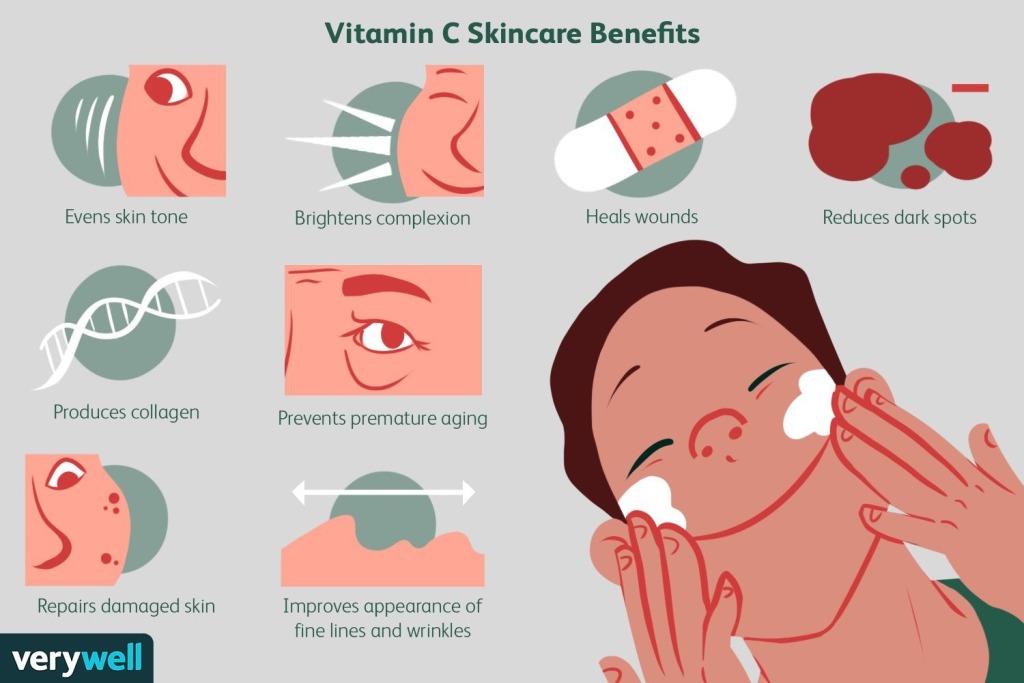
- Increasing the synthesis of collagen by serving as a cofactor for the enzymes that produce it.
- Lowering pigmentation and brightening skin tone.
- Promoting the healing and repair of wounds.
Topical vitamin C is useful for post-acne issues since it enters the skin to deliver these effects directly.
How Vitamin C Helps Acne Scars
Boosts Collagen Production
Vitamin C helps in the reconstruction of the skin’s structural integrity by promoting the production of collagen.
For atrophic (indented) scars, where collagen loss results in depressions, this is especially helpful. Skin firmness and texture can be gradually improved by increased collagen.
Reduces Hyperpigmentation
It helps lighten dark spots and PIH caused by acne outbreaks by inhibiting tyrosinase, the enzyme that produces melanin. Texture alterations are frequently less obvious than this brightening effect.
Speeds Up Skin Healing
Vitamin C helps recover from active breakouts by promoting wound healing and lowering oxidative stress, which results in a smoother overall tone and texture.
Anti-Inflammatory Effects
It improves the appearance of scars and stops new PIH by reducing the redness and swelling linked to acne-prone skin.
What Does Research Say?
The significance of vitamin C is supported by clinical evidence; outcomes differ depending on form, concentration, and combination with other medications.
On Active Acne
Lotions, serums, and creams include SAP (Sodium Ascorbyl Phosphate), a stable, water-soluble form of vitamin C.
Research on the stable derivative sodium ascorbyl phosphate (SAP) yields encouraging findings. 5% SAP lotion outperformed 5% benzoyl peroxide in several comparisons, achieving “excellent or good” improvement in 76.9% of participants over 12 weeks in one trial with no significant adverse effects. SAP also lessens sebum oxidation and exhibits antibacterial properties against P. acnes.
On Acne Scars
Atrophic scars improve somewhat when vitamin C and microneedling are used together. Scar grading scores are significantly lower in split-face investigations, with advantages for stiffness, smoothness, and particularly PIH.
According to one study, topical vitamin C and insulin with microneedling produced similar outcomes. Faster wound healing, less erythema, less pigmentation, and improved skin barrier function were all shown in a 2026 study on topical antioxidant serum (vitamin C + E + ferulic acid) after laser treatment for atrophic scars.
What Vitamin C Can and Can’t Do for Acne Scars
What Vitamin C Can Do
- Fade PIH and dark patches effectively.
- Collagen support can help with mild-to-moderate textural problems.
- Improve the general brightness, tone, and healing of the skin.
- When used regularly, it reduces inflammation and promotes healing.
What Vitamin C Can’t Do
- Eliminate severe or deep atrophic scars completely (professional techniques like laser or subcision are frequently needed).
- For severe scarring, replace medicinal interventions.
- Give immediate effect; it usually takes weeks to months of regular use to see noticeable changes.
How to Use Vitamin C for Acne Scars
Concentration: Depending on tolerance, start with 10–20%; lower for beginners or skin that is sensitive.
Timing: Use moisturizer and broad-spectrum sunscreen in the morning after cleansing (vitamin C improves photoprotection but does not replace SPF).
Pairing: Use retinoids at night or combine with niacinamide for brightening (avoid mixing in the same regimen to prevent irritation). Hydration can be enhanced by hyaluronic acid.
Use: Start with a patch test. Apply three to four drops of serum on dry, clean skin. If you have sensitive skin or aggressive acne, introduce gradually (every other day).
Consistency: While texture improvements take longer (3+ months), results for PIH may show up in 4–8 weeks.
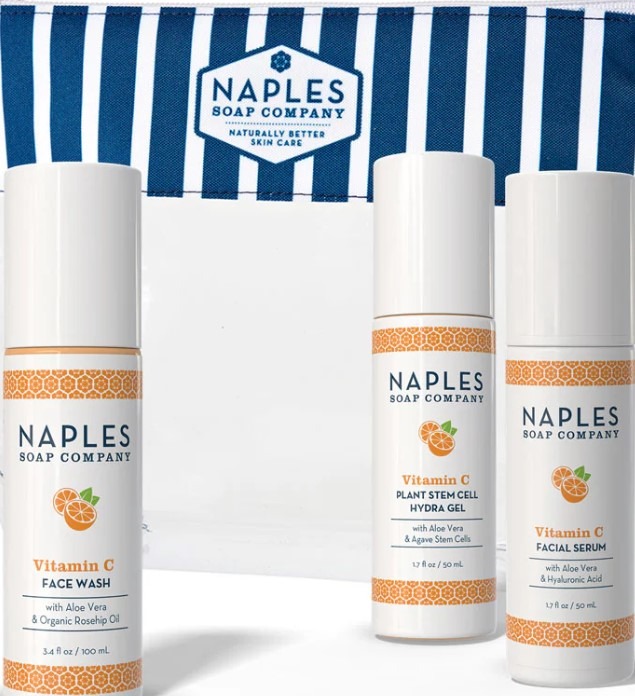
For a more efficient routine, think about purchasing a full vitamin C face care kit that comes with a suitable cleanser, serum, and moisturizer.
Potential Side Effects and Risks
Mild irritation, redness, stinging, or dryness are common side effects, particularly when using pure L-ascorbic acid. Products that have undergone oxidation (becoming yellow or brown) become less effective and may cause irritation. Strong recipes may occasionally make extremely sensitive, acne-prone skin more oily or cause breakouts if the base ingredients block pores.
Start slowly, keep items in cool, dark areas, and stop using them if they cause extreme irritation. For persistent problems, see a dermatologist.
Who Should Use Vitamin C for Acne Scars?
Ideal for:
- Black streaks and hyperpigmentation following inflammation.
- Uneven tone or little scars.
- Preventive care both during and after acne therapy.
For severe keloids or deep atrophic scars, monotherapy is less effective; in those situations, combine it with expert techniques. With the correct formulation, most skin types can benefit; sensitive or acne-prone skin may favor SAP-based treatments.
Final Words
Yes, vitamin C is a valuable, scientifically supported supplement to your routine that can help brighten dark spots, support minor texture improvement, and aid in skin restoration. When paired with sunscreen, mild exfoliation, and (if necessary) expert treatments, it shines brightest. Although it is not a perfect remedy for severe scarring, its anti-pigmentation, collagen-boosting, and antioxidant properties make it a wise supplement.
For the maximum results, explore choices, such as a vitamin C face care kit intended for thorough daily use. To customize your treatment, especially for difficult scars, speak with a dermatologist. Clearer, more even skin can be attained with perseverance and consistency.
Head over to Naples Soap Company to get the best deal on a vitamin C face care kit.
Frequently Asked Questions (FAQs)
Can acne scars be permanently removed with vitamin C?
Without upkeep and sun protection, it can greatly reduce PIH and repair minor scars, but the effects are not always long-lasting. Procedural intervention is necessary for deep scars.
How long does it take for acne scars to go away with vitamin C?
PIH improvement typically manifests in 4–12 weeks; textural changes, with regular use and combinations like microneedling, may take up to 3–6 months.
For acne scars, which vitamin C serum works best?
Look for choices that are stable, well-formulated, and have a concentration of 10–20% (L-ascorbic or SAP). Compatibility is ensured by the products included in a vitamin C face care package.
Does vitamin C exacerbate acne?
Although it rarely directly causes acne, some formulations may irritate sensitive skin or make it more oily, which could result in transient breakouts. Select acne-friendly, non-comedogenic variants and conduct a patch test.
Last Updated: June 12, 2026